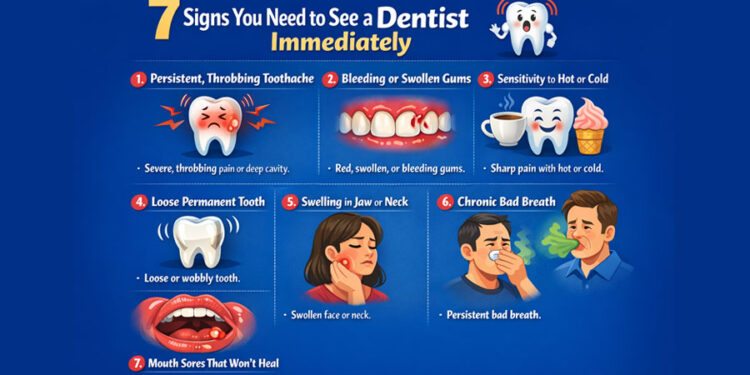
7 signs you need to see a dentist immediately.

In the world of oral health, “waiting until it hurts” is often a recipe for more complex and expensive treatments. While some dental issues can wait for a scheduled cleaning, others are your body’s way of sounding an SOS.

At Stavya Dental Clinic, we prioritize emergency care because we know that when it comes to your teeth, time is of the essence. Here are seven red flags that mean you should book an appointment today.


1. Persistent, Throbbinng Toothache

Pain is the most obvious signal that something is wrong. If you experience a sharp, constant, or “heartbeat-like” throb in your tooth, it could indicate:

  • A deep cavity reaching the nerve.
  • An underlying infection or abscess.
  • A cracked tooth that isn’t visible to the naked eye.

2. Bleeding or Swollen Gums

While a little blood after flossing occasionally happens if you’ve been inconsistent, persistent bleeding or gums that look bright red and puffy are classic signs of periodontal (gum) disease. If left untreated, this can lead to bone loss and eventually tooth loss.

3. Sensitivity to Hot or Cold

Does a sip of hot coffee or a spoonful of ice cream send a jolt through your jaw? While some sensitivity is normal, lingering pain (lasting more than a few seconds) suggests the protective enamel has worn down or the pulp inside the tooth is inflamed.

4. A Loose Permanent Tooth

As an adult, your teeth should never feel “wiggly.” A loose tooth is a dental emergency. It could be a sign of:

  • Advanced gum disease.
  • An injury to the jaw.
  • Bone loss around the root.

Note: If a tooth is knocked out entirely, keep it moist (in milk or saliva) and get to us within 30–60 minutes for the best chance of saving it.

5. Swelling in the Jaw or Neck

Visible swelling in your face, jaw, or the lymph nodes under your chin is a serious warning sign. This often indicates a dental abscess—an infection that can spread to other parts of your body if not drained and treated with antibiotics immediately.

6. Chronic Bad Breath (Halitosis)

If brushing, flossing, and mouthwash can’t kick the bad taste or smell in your mouth, it’s not just your lunch. Persistent bad breath is frequently caused by bacteria hiding in deep gum pockets or a hidden infection that needs professional cleaning.

7. Mouth Sores That Won’t Heal

A canker sore usually clears up in a week. If you have a sore, lump, or white/red patch in your mouth that persists for more than two weeks, it needs to be examined. While often harmless, these can sometimes be early indicators of oral cancer.


Don’t Ignore the Signs

Ignoring dental pain doesn’t make the problem go away; it usually just makes the solution more complicated. At Stavya Dental Clinic, we use advanced diagnostics to find the root cause of your discomfort and get you back to smiling comfortably.

Tips for Maintaining Results After Dental Treatment

Maintaining the results of your dental treatment is essential for long-lasting oral health and a beautiful smile. Whether you’ve undergone teeth whitening, dental implants, braces, or restorative treatments, proper care afterward can preserve and even enhance your outcomes. Here are some valuable tips to help you maintain your dental treatment results:

  1. Practice Good Oral Hygiene
    Brush your teeth at least twice a day with fluoride toothpaste and floss daily to remove plaque and prevent decay or gum disease. Proper oral hygiene is fundamental to sustaining any dental treatment results.
  2. Follow Your Dentist’s Instructions
    After treatment, your dentist may provide specific care guidelines—such as avoiding certain foods, using special rinses, or scheduling follow-up visits. Adhering to these instructions ensures optimal healing and longevity of your treatment.
  3. Avoid Staining Foods and Habits
    For treatments like teeth whitening or veneers, avoid foods and beverages that can cause staining, such as coffee, tea, red wine, and tobacco products. Using a straw for drinks can help reduce direct contact with your teeth.
  4. Use a Mouthguard if Needed
    If you grind your teeth at night (bruxism) or play contact sports, wearing a custom mouthguard protects your dental work and natural teeth from damage.
  5. Attend Regular Dental Check-Ups
    Routine dental visits allow your dentist to monitor your oral health, clean your teeth professionally, and catch any issues early, helping to maintain the success of your dental treatment.
  6. Maintain a Healthy Diet
    Eating a balanced diet rich in vitamins and minerals supports strong teeth and gums. Limit sugary snacks and acidic foods that can erode enamel or undermine your dental work.
  7. Address Issues Promptly
    If you notice discomfort, looseness, or damage to your dental work, contact your dentist immediately. Early intervention can prevent more serious problems down the line.

By following these tips, you can enjoy the full benefits of your dental treatment and keep your smile healthy and radiant for years to come. If you’d like, I can also help you create detailed care guides for specific types of dental treatments.

Dental Implants vs. Dentures: Pros and Cons

When it comes to replacing missing teeth, dental implants and dentures are two of the most common solutions. Each option has its own set of advantages and disadvantages depending on your oral health, lifestyle, and budget. Understanding these factors can help you make the best decision for your smile.

What Are Dental Implants?

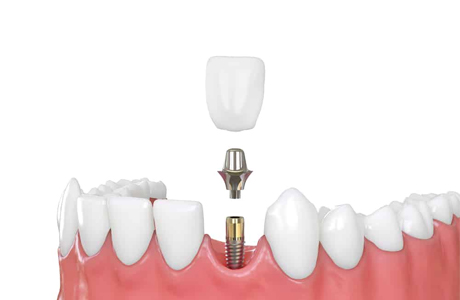
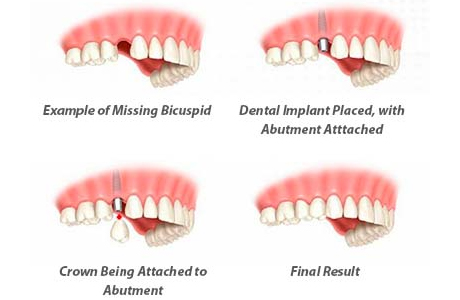
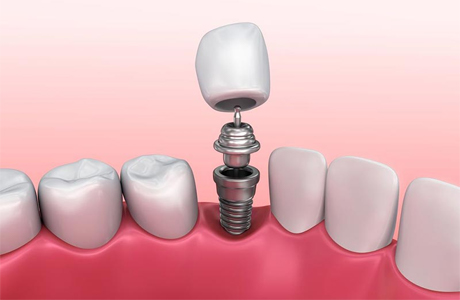
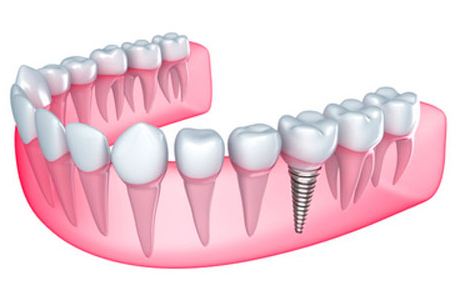
Dental implants are titanium posts surgically inserted into the jawbone to serve as artificial roots for replacement teeth. A crown is then attached to the implant post, offering a permanent and natural-looking solution that functions like real teeth.

What Are Dentures?

Dentures are removable prosthetic teeth, either full or partial, that rest on the gums. They can replace an entire row of teeth or just a few missing ones. Dentures are generally more affordable and less invasive but require different maintenance.


Pros of Dental Implants

  • Durability and Longevity: Implants can last 15-25 years or even a lifetime with proper care, making them a long-term solution.
  • Natural Look and Feel: Because implants fuse with the jawbone, they look, feel, and function like natural teeth.
  • Bone Preservation: Implants stimulate the jawbone and prevent bone loss, maintaining your facial structure.
  • Comfort and Stability: Implants are fixed, so they do not slip or move when eating or speaking.
  • Low Maintenance: Caring for implants is like caring for natural teeth—regular brushing, flossing, and dental visits.

Cons of Dental Implants

  • Higher Initial Cost: They tend to be more expensive upfront compared to dentures.
  • Surgical Procedure: The process requires surgery and sufficient bone density for implant placement.
  • Healing Time: The full process can take several months for the implant to integrate with the bone.

Pros of Dentures

  • Cost-Effective: Dentures are generally more affordable initially.
  • Non-Invasive: Fitting dentures does not require surgery, which is ideal for patients unable to undergo surgical procedures.
  • Customizable: Dentures can be made to fit even when there is significant bone loss.
  • Quick Solution: Dentures can be fabricated and fitted in a shorter time.

Cons of Dentures

  • Less Stability: Dentures can slip or move, which may cause discomfort or difficulties in speaking and eating.
  • Bone Loss: Dentures do not prevent jawbone deterioration, which may change the shape of your face over time.
  • Maintenance: Dentures require daily cleaning and must be removed at night. They may also require adhesives.
  • Replacement and Adjustment: Dentures typically need replacement or refitting every 5-10 years as the bone changes.

Summary Comparison

FeatureDental ImplantsDentures
DurabilityLong-lasting (15+ years or lifetime)Needs replacement every 5-10 years
StabilityFixed, very stableCan slip or move
AppearanceNatural look and feelNatural-looking but may be less durable fit
Bone HealthPrevents bone lossDoes not prevent bone loss
CostHigher initial cost but potentially more cost-effective long-termLower initial cost but ongoing maintenance costs
MaintenanceSimilar to natural teethRequires daily cleaning and adhesives
ProcedureSurgical, longer healing timeNon-surgical, quicker fitting

Conclusion

Dental implants offer a more permanent, comfortable, and natural-feeling solution for tooth replacement, with benefits like bone preservation and low maintenance. However, they come with a higher upfront cost and require surgery.

Dentures provide a less expensive and non-invasive option, suitable for those who may not qualify for implants due to bone loss or health concerns. They require more upkeep and periodic replacement.

Consulting with your dentist can help you evaluate your oral health, lifestyle, and budget to decide which option best suits your needs.

How to Choose the Right Dental Treatment for Your Needs

Selecting the appropriate dental treatment is essential for maintaining both your oral health and overall well-being. With numerous treatment options available, making an informed decision can seem overwhelming. Here’s a guide to help you choose the right dental treatment tailored to your specific needs.

  1. Assess Your Dental Health
    Begin by understanding your current dental condition. Regular dental check-ups and X-rays provide valuable insights into issues such as cavities, gum disease, tooth alignment, and missing teeth. Knowing the status of your oral health allows you and your dentist to identify the necessary treatments.
  2. Define Your Treatment Goals
    Consider what you want to achieve: Are you looking to improve aesthetics, alleviate pain, restore function, or prevent future problems? Whether it’s teeth whitening, fillings, root canal therapy, or dental implants, your goals will guide the choice of treatment.
  3. Consult with a Qualified Dentist
    A professional evaluation is crucial. Dentists can recommend treatments based on your health, preferences, and budget. They will explain the benefits, risks, duration, and costs associated with each option, helping you make a balanced decision.
  4. Consider Minimally Invasive Options
    Whenever possible, opt for treatments that preserve natural tooth structure and are less invasive. Modern dentistry offers many such options that provide effective results with quicker recovery times.
  5. Evaluate Costs and Insurance Coverage
    Dental treatments vary widely in cost. Review your dental insurance plan to understand what procedures are covered. Discuss payment plans or financing options with your dental office if needed.
  6. Think About Longevity and Maintenance
    Some treatments require more upkeep or may need replacement over time. For example, dental crowns and implants have different lifespans and care requirements compared to fillings or bonding. Choose treatments aligning with your lifestyle and willingness to maintain them.
  7. Prioritize Comfort and Convenience
    Ask about the procedure length, number of visits, and potential discomfort. Treatments that fit your schedule and tolerance for dental visits can reduce anxiety and improve your experience.

Choosing the right dental treatment involves a balanced approach of professional guidance, personal goals, and practical considerations. With the right information and support, you can achieve optimal oral health and a smile that feels good and functions well.

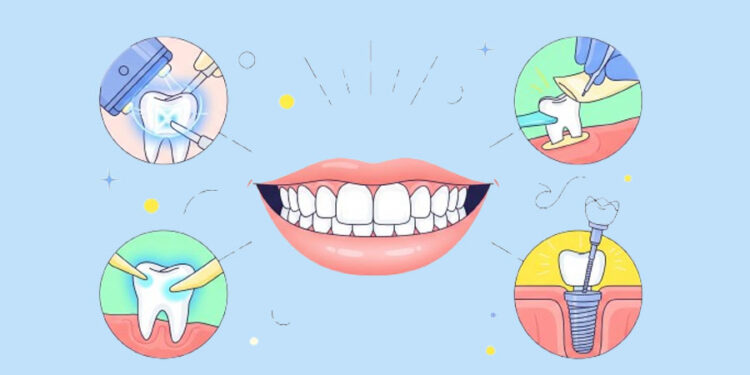
Advances in Cosmetic Dentistry: Transform Your Smile

Cosmetic dentistry has witnessed remarkable advancements in recent years, offering innovative solutions that can dramatically transform your smile and boost your confidence. Modern techniques and technologies provide effective, minimally invasive, and long-lasting results tailored to individual needs.

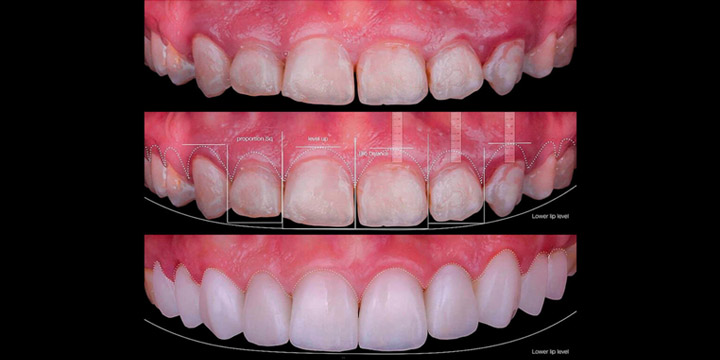
One of the key advances is the development of dental veneers, which are ultra-thin shells crafted from porcelain or composite resin that cover the front surface of teeth. Veneers can correct a range of issues including discoloration, chips, gaps, and minor misalignments, creating a natural and aesthetically pleasing appearance.

Teeth whitening procedures have also become more sophisticated, with options like laser whitening and custom-fitted trays delivering faster, safer, and more enduring results. These treatments effectively remove stains caused by food, drinks, or smoking, brightening your smile by several shades.

Dental bonding is another popular technique where tooth-colored resin is applied to repair minor imperfections such as cracks or discoloration. This procedure is quick, painless, and cost-effective while providing a significant cosmetic improvement.

For those with missing teeth, dental implants offer a revolutionary alternative to traditional dentures. Implants are titanium posts surgically inserted into the jawbone, serving as sturdy anchors for replacement teeth that look and function like natural teeth.

Digital technology has also enhanced treatment planning and execution. Digital smile design allows dentists to create 3D models and simulations, enabling patients to visualize results before treatment begins. Additionally, CAD/CAM technology facilitates the creation of precise dental restorations in a single visit.

Overall, advances in cosmetic dentistry enable personalized treatments that not only improve aesthetics but also enhance oral health and function. Consulting with a qualified cosmetic dentist can help you explore the best options to achieve a radiant, confident smile.

Common Dental Treatments: What to Expect at Your Dentist Visit

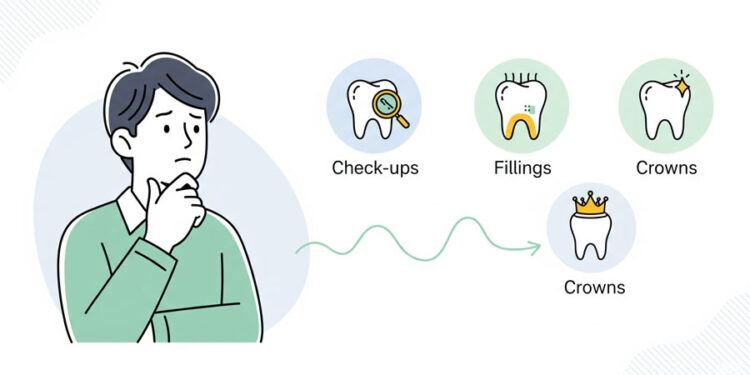
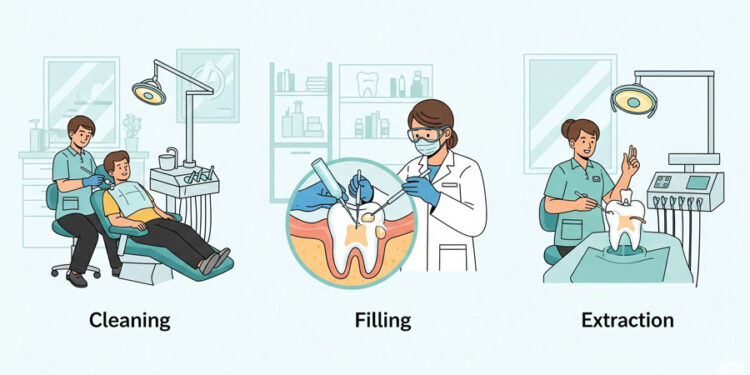
Visiting the dentist is an essential part of maintaining your overall health, and understanding the most common procedures can help ease any anxiety you might have. Here is a breakdown of what you can expect from some of the most frequent dental treatments.


1. Regular Check-up and Cleaning

This is the most common reason for a dental visit, and it is crucial for preventative care.

  • The Exam: Your dentist will first conduct a thorough examination of your mouth, looking for signs of cavities, gum disease, and other oral health issues. They may also take X-rays to see what’s happening beneath the surface of your teeth and gums.
  • The Cleaning: A dental hygienist will use specialized tools to remove plaque and tartar (hardened plaque) from your teeth, both above and below the gum line. They will then polish your teeth with a gritty paste to remove surface stains and finish by flossing between your teeth.
  • What to Expect: The cleaning may involve some scraping sounds and a bit of pressure, but it should not be painful. The polishing feels similar to a thorough brushing. The entire process typically takes about 30 to 60 minutes.

2. Fillings

Fillings are used to repair a tooth that has been damaged by decay (a cavity) or minor fractures.

  • What It Involves: First, the dentist will numb the area around the tooth with a local anesthetic to ensure you don’t feel any pain. They will then use a drill to remove the decayed portion of the tooth. Once the decay is gone, the dentist will fill the space with a restorative material, such as composite (tooth-colored) or amalgam (silver-colored).
  • What to Expect: You will feel a small pinch from the numbing injection, followed by a sensation of pressure or vibration as the dentist works. The numbness will wear off within a few hours.

3. Root Canal Therapy

This procedure is performed to save a tooth that is severely infected or decayed to the point that the pulp (the soft tissue inside the tooth) is affected.

  • What It Involves: After numbing the area, the dentist makes an opening in the crown of the tooth to access the infected pulp. They will then carefully remove the infected tissue, clean and shape the inside of the tooth, and fill the space with a sterile, rubber-like material. The tooth is then sealed. In most cases, a crown will be placed over the tooth later to protect it.
  • What to Expect: Despite its reputation, a root canal is not a painful procedure. The anesthetic ensures you are comfortable throughout the treatment. You may experience some soreness for a few days afterward, but this can be managed with over-the-counter pain medication.

4. Crowns

A crown is a custom-made cap that fits over a damaged or weakened tooth to restore its shape, size, strength, and appearance.

  • What It Involves: This procedure typically requires two visits. During the first visit, the dentist will prepare the tooth by reshaping it to make room for the crown. They will then take an impression of your tooth, which is sent to a lab to create the permanent crown. A temporary crown is placed to protect the tooth. During the second visit, the temporary crown is removed, and the permanent one is cemented into place.
  • What to Expect: You’ll receive a local anesthetic for both visits. The process is straightforward, and the temporary crown will feel a bit different but allows you to continue eating and brushing normally until the permanent crown is ready.

5. Tooth Extractions

A tooth extraction is the removal of a tooth. This is done when a tooth is too damaged to be saved by other treatments, or for orthodontic reasons.

  • What It Involves: The dentist will first numb the area. Then, using special tools, they will carefully and gently loosen the tooth and remove it. They will then provide you with instructions on how to care for the extraction site.
  • What to Expect: You should not feel any sharp pain during the procedure, only a feeling of pressure. Afterward, you will need to follow your dentist’s post-operative instructions carefully to ensure proper healing and avoid complications.

Open communication is key to a comfortable dental visit. Don’t hesitate to ask your dentist questions about any procedure you are undergoing.

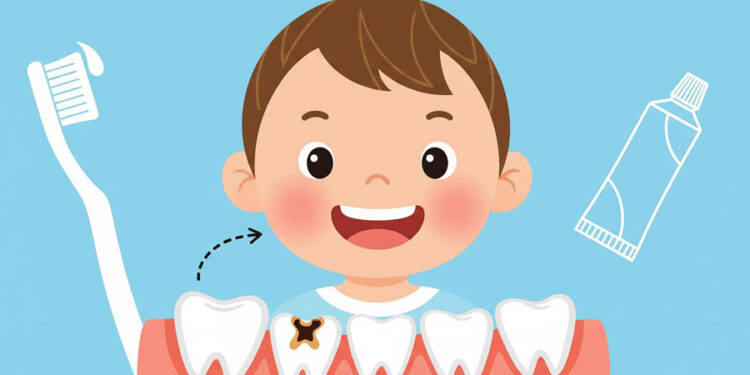
How can I prevent cavities in toddler teeth

To prevent cavities in toddler teeth, follow these expert strategies:

  • Brush Twice Daily with Fluoride Toothpaste: Start brushing your child’s teeth as soon as the first tooth appears, using a tiny smear (grain of rice size) of fluoride toothpaste for children under 3, and a pea-sized amount for those 3 and older. Brush at least twice daily, especially before bedtime, and supervise brushing to ensure proper technique. Avoid rinsing after brushing to let the fluoride remain on the teeth.
  • Practice Flossing: Begin flossing when two teeth touch; plaque can hide between teeth where a brush cannot reach.
  • Limit Sugary Foods and Drinks: Offer healthy snacks that are low in sugar and avoid sticky candies, juices, and sweetened beverages. If your child drinks juice, restrict it to mealtimes and no more than 4 ounces a day. Water is the best drink between meals to rinse food particles away.
  • No Bottles in Bed: Never put your toddler to sleep with a bottle of milk, juice, or any sweetened drink as it increases the risk of “baby bottle tooth decay.” If your child needs a bottle, fill it with water only.
  • Avoid Grazing: Do not let your child snack or sip drinks (other than water) frequently throughout the day, as this creates a constant sugar supply for cavity-causing bacteria.
  • Early Dental Visits: Schedule the first dental check-up by your child’s first birthday or within 6 months after the first tooth erupts. Regular visits help catch any issues early and give access to preventive fluoride treatments and advice.
  • Fluoride Protection: Ensure your child gets fluoride, either through toothpaste, drinking water, supplements, or professional applications if your community water is not fluoridated.
  • Dental Sealants: Ask your dentist about sealants, which are protective coatings applied to back teeth to shield against decay.
  • No Sharing Utensils: Avoid sharing spoons, cups, or cleaning pacifiers with your mouth to prevent the spread of cavity-causing bacteria.

These habits lay the foundation for a healthy mouth and reduce the risk of cavities for your toddler now and as they grow.

Treatments for Sensitive Teeth – Causes and Solutions

Sensitive teeth can result from several underlying issues:

  • Worn enamel: Over-brushing, abrasive toothpaste, or acidic foods and drinks can wear down tooth enamel, exposing the sensitive dentin underneath.
  • Gum recession: Age, gum disease, or aggressive brushing can cause gums to recede, leaving tooth roots exposed and sensitive.
  • Tooth decay or damage: Cavities, cracked or chipped teeth allow outside stimuli to reach nerves inside the tooth.
  • Teeth grinding: Habitual grinding or clenching of teeth can erode surfaces and lead to sensitivity.
  • Recent dental procedures: Treatments like whitening or professional cleanings may temporarily increase sensitivity

Solutions for Tooth Sensitivity

1. Desensitizing Toothpaste

  • Formulated with compounds like potassium nitrate or arginine, these block pain signals to nerves inside teeth. Use twice daily, applying directly onto sensitive areas for several weeks to see improvement.

2. Fluoride Treatments

  • Professional fluoride gels, varnishes, or rinses strengthen enamel and reduce pain. Available both in-clinic and as at-home rinses. Regular use improves overall protection.

3. Dental Sealants and Bonding

  • Dentists can apply sealants (protective coatings) to vulnerable areas or use tooth-colored resin to cover exposed roots, cracks, or worn enamel. This provides a barrier that alleviates sensitivity.

4. Gum Grafting

  • For severe gum recession, a gum graft uses tissue from another part of your mouth to cover exposed roots, treating the underlying cause.

5. Root Canal Treatment

  • In extreme cases of pain or if nerve damage is present, a root canal may be necessary to remove the affected nerve tissue and permanently resolve sensitivity.

6. Lifestyle Changes

  • Switch to a soft-bristled toothbrush and gentle brushing technique to protect enamel.
  • Avoid acidic foods and drinks (citrus, sodas), which can aggravate sensitivity.
  • Limit use of over-the-counter whitening products, as they may increase discomfort.

7. Home Remedies

  • Rinsing with saltwater for inflammation relief, oil pulling, and using clove oil for temporary pain relief are often recommended, but professional evaluation is best for persistent symptoms.

Advanced Options

  • Laser therapy: Lasers are sometimes used to seal dentinal tubules and reduce nerve sensitivity, with mixed clinical evidence.
  • Cervical restorations: Glass ionomer restorations are favored for their fluoride release and bonding properties, providing long-term results for severe cases.
  • Remember: Surgical options (like gum grafts or advanced laser therapy) are reserved for cases where other methods have failed.

If sensitivity lasts more than a few days or impacts daily activities, it’s advisable to consult a dentist for diagnosis and tailored treatment. Proper care and timely intervention will help restore comfort and enjoyment while protecting long-term oral health.

Dental Implant Surgery Recovery

While dental implant surgery offers a long-term solution for missing teeth, a smooth recovery process is crucial for optimal results. Here’s a guide to what you can expect and how to promote proper healing:

Pain and Discomfort: Mild to moderate pain is expected. Your dentist will prescribe medication to manage this effectively.

Swelling: Facial swelling around the implant site is common and typically subsides within 2-3 days. Apply ice packs to the area for short intervals (15 minutes on, 15 minutes off) to reduce swelling.

Bleeding: Minor bleeding at the implant site might occur for the first 1-2 days. Gauze packs can be used to control minor bleeding.

The Best Dental in Staveya Dental in Ahmadabad

Dental Implant Surgery Side Effects

Dental implant surgery is a well-established procedure for replacing missing teeth, offering significant benefits. However, like any surgery, it’s essential to be aware of potential side effects. Here’s a breakdown of what you might encounter:

Discomfort and Pain: Mild to moderate pain is expected after surgery, manageable with medication prescribed by your dentist.

Swelling: Facial swelling around the implant site is common and usually subsides within a few days.

Bruising: Bruising may occur in the surgical area and typically fades within a week.

1952: The Pivotal Discovery: A Swedish orthopedic surgeon, Dr. Per-Ingvar Brånemark, made a groundbreaking discovery. During a study on bone healing, he observed that titanium cylinders implanted in rabbit bones fused seamlessly. This phenomenon, termed osseointegration, became the foundation for modern dental implants.

The Best Dental in Staveya Dental in Ahmadabad

Single Tooth vs. Multiple Teeth Replacement Options

Missing teeth can significantly impact your smile, confidence, and even chewing ability. Fortunately, modern dentistry offers various solutions to restore your oral health and function. Here’s a comparison of two common approaches:

Dental Implant: Considered the gold standard due to its durability, natural look, and function. An implant screw is surgically placed in the jawbone to act as an artificial tooth root. A crown is then attached to the implant for a permanent restoration.

Dental Bridge: A fixed bridge involves placing crowns on the teeth adjacent to the gap and attaching an artificial tooth in between. Requires modifying healthy teeth, potentially compromising their long-term health.

The Best Dental in Staveya Dental in Ahmadabad

History-dental-implants

The history of dental implants is a long and fascinating journey, stretching back thousands of years and showcasing humanity’s constant strive for improved dental health and aesthetics. Here’s a glimpse into this timeline

Ancient Civilizations (4000 BC – 600 AD): Evidence suggests early attempts at replacing missing teeth. Excavations in China revealed carved bamboo pegs used around 2000 BC. The Egyptians used gold and precious metals for similar purposes around 1000 BC. The Mayans were known to utilize seashells as implants roughly around 600 AD.

Medieval Era (600 AD – 1800s): While the concept persisted, materials and techniques remained primitive. Animal teeth and even human teeth (often from the underprivileged) were used. Gold wires found use in stabilizing loose teeth.

The Best Dental in Staveya Dental in Ahmadabad

Are Laser Dental Procedures Better Than Traditional Treatments?

What is laser dentistry?

Laser dentistry is the use of lasers to treat a number of different dental conditions. It became commercially used in clinical dental practice for procedures involving tooth tissue in 1989.

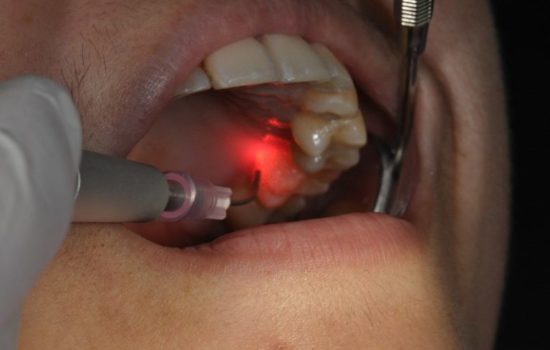
Laser dentistry potentially offers a more comfortable treatment option for a number of dental procedures involving hard or soft tissue compared to drills and other non-laser tools.

LASER stands for “light amplification by the stimulated emission of radiation.” The instrument creates light energy in a very narrow and focused beam. This laser light produces a reaction when it hits tissue, allowing it to remove or shape the tissue.

Laser dentistry is used in a variety of procedures, including:

  • treating hypersensitivity
  • treating tooth decay
  • treating gum disease
  • whitening teeth

Lasers can make dental treatments more efficient, cost effective, and comfortable. The Food and Drug Administration (FDA) has approved laser dentistry as a treatment option for several dental conditions.

It’s worth noting that the American Dental Association (ADA) currently has yet to do so, though they are hopeful about the potential of the field.

How are laser treatments performed?

The two main types of procedures used for laser dentistry are hard tissue and soft tissue procedures. Hard tissue refers to the teeth, and soft tissue refers to the gums.

Common hard tissue procedures include:

  • Cavity detection. Lasers can detect cavities early by finding evidence of tooth decay.
  • Tooth preparations and dental fillings. Local anesthesia and traditional drills are often not needed with laser treatments. Lasers can kill bacteria in a cavity, which can aid in the long-term health of a tooth.
  • Treating tooth sensitivity. Teeth that have sensitivity to hot and cold can be treated with dental lasers that seal tubules on the tooth’s root.

Common soft tissue procedures include:

  • Treating a “gummy smile.” Lasers are used to reshape gum tissue associated with “gummy smile,” in which the gums’ length covers much of the tooth.
  • Crown lengthening. This procedure reshapes both gum tissue and bone for healthier tooth structure, which helps with placing restorations on the teeth.
  • Treating tongue frenulum attachment. Those with a thick or tight frenulum (the fold of skin under the front part of tongue that anchors to the mouth floor) may benefit from a laser frenectomy. This treatment helps children whose restricted frenulum causes them to be tongue-tied, have difficulty breastfeeding, or have a speech impediment.
  • Removing soft tissue folds. Lasers can remove soft tissue folds from ill-fitting dentures without pain or sutures.

Other laser procedures include:

  • Viewing tissues. Optical coherence tomography allows a doctor to safely see inside a tooth or gum tissue.
  • Removing benign tumors. Lasers can remove tumors from the palate, gums, and sides of the lips and cheeks through a pain- and suture-free method.
  • Treating obstructive sleep apnea. Lasers can reshape the throat and relieve associated breathing problems when sleep apnea is caused by tissue overgrowth in the throat.
  • TMJ (temporomandibular joint) treatment. Lasers can help reduce pain and inflammation in the joint.
  • Nerve regeneration. Lasers can help regenerate damaged blood vessels, nerves, and scars.
  • Treating cold sores. Lasers can minimize healing time and reduce pain from cold sores.
  • Teeth whitening. Lasers speed up the bleaching process during teeth-whitening sessions.

Laser treatments such as these can vary in price, depending on the procedure being done and the laser equipment used. Compared to non-laser treatment, they may be less expensive because the laser treatment is usually completed in fewer sessions. Additionally, dental insurance usually determines reimbursement costs based on the treatment itself and not on what method is used.

Therefore, your compensation is likely to be the same as it would with drilling and other procedures. However, it’s always important to ask about your specific policy beforehand to get the most accurate information.

What types of lasers are used?

Dental professionals use either hard tissue or soft tissue lasers, depending on the treatment. Some will use both types if the treatment allows.

Hard tissue lasers can cut through tooth structure. Their wavelengths are absorbed through the combination of water and a specific mineral found in teeth. These lasers are most often used to prep or shape teeth for composite bonding, to repair dental fillings that have worn down, and to remove some tooth structure.

Benefits of using laser dentistry over other methods

  • There is potentially a decreased need for sutures with soft tissue lasers.
  • Bleeding is minimized in treated soft tissues, as the laser promotes blood clotting.
  • With some procedures, anesthesia is unnecessary.
  • The chance for bacterial infections is lower because the laser sterilizes the area.
  • Wounds can heal faster, and it’s possible for tissue to regenerate.
  • The procedures may involve less damage to the surrounding tissues.

Soft tissue lasers can be absorbed through water and hemoglobin. Hemoglobin is a protein found in red blood cells.

These lasers are used to treat periodontitis, including killing bacteria and activating tissue regrowth.

Soft tissue lasers seal nerve endings and blood vessels while they penetrate the tissue. For this reason, many experience almost no pain after laser treatment. The lasers also promote faster healing of the tissue.

Disadvantages of laser dentistry

  • Lasers can’t be used on teeth that already have certain types of filling, such as metal amalgam.
  • Hard lasers can sometimes injure tooth pulp.
  • Some laser procedures still require anesthesia.
  • Drills are still sometimes needed to complete fillings, including shaping, adjusting the bite, and polishing the filling.
  • Certain procedures can’t be done with laser treatment, depending on the preexisting surrounding tissue or components involving the tooth or gums.
  • There is a risk of gum injury.

What risks are associated with laser dentistry?

The risks of laser dentistry are relatively small. It’s important to find a qualified dental professional, as using the wrong wavelength or power level could damage tissue. Additionally, some providers worry that advertisers are pushing the use of laser treatment beyond what people actually need. Your dentist will have you use special glasses to protect your eyes from the laser.

How to saty free from corona

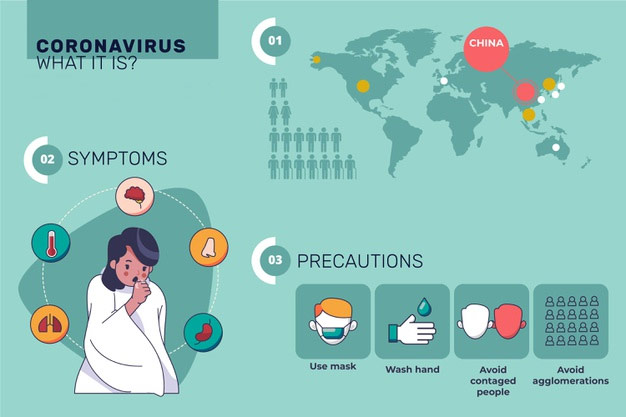
Basic protective measures against the new coronavirus

Stay aware of the latest information on the COVID-19 outbreak, available on the WHO website and through your national and local public health authority. COVID-19 is still affecting mostly people in China with some outbreaks in other countries. Most people who become infected experience mild illness and recover, but it can be more severe for others. Take care of your health and protect others by doing the following:

Basic protective measures against the new coronavirus

Stay aware of the latest information on the COVID-19 outbreak, available on the WHO website and through your national and local public health authority. COVID-19 is still affecting mostly people in China with some outbreaks in other countries. Most people who become infected experience mild illness and recover, but it can be more severe for others. Take care of your health and protect others by doing the following:

Wash your hands frequently

Regularly and thoroughly clean your hands with an alcohol-based hand rub or wash them with soap and water.

Why? Washing your hands with soap and water or using alcohol-based hand rub kills viruses that may be on your hands.

Maintain social distancing

Avoid touching eyes, nose and mouth

Why? Hands touch many surfaces and can pick up viruses. Once contaminated, hands can transfer the virus to your eyes, nose or mouth. From there, the virus can enter your body and can make you sick.

Practice respiratory hygiene

Make sure you, and the people around you, follow good respiratory hygiene. This means covering your mouth and nose with your bent elbow or tissue when you cough or sneeze. Then dispose of the used tissue immediately.

Why? Droplets spread virus. By following good respiratory hygiene you protect the people around you from viruses such as cold, flu and COVID-19.

If you have fever, cough and difficulty breathing, seek medical care early

Stay home if you feel unwell. If you have a fever, cough and difficulty breathing, seek medical attention and call in advance. Follow the directions of your local health authority.

Why? National and local authorities will have the most up to date information on the situation in your area. Calling in advance will allow your health care provider to quickly direct you to the right health facility. This will also protect you and help prevent spread of viruses and other infections.

Maintain at least 1 metre (3 feet) distance between yourself and anyone who is coughing or sneezing.

Why? When someone coughs or sneezes they spray small liquid droplets from their nose or mouth which may contain virus. If you are too close, you can breathe in the droplets, including the COVID-19 virus if the person coughing has the disease.

Stay informed and follow advice given by your healthcare provider

Stay informed on the latest developments about COVID-19. Follow advice given by your healthcare provider, your national and local public health authority or your employer on how to protect yourself and others from COVID-19.

Why? National and local authorities will have the most up to date information on whether COVID-19 is spreading in your area. They are best placed to advise on what people in your area should be doing to protect themselves.

Protection measures for persons who are in or have recently visited (past 14 days) areas where COVID-19 is spreading

  • Follow the guidance outlined above.
  • Stay at home if you begin to feel unwell, even with mild symptoms such as headache and slight runny nose, until you recover. Why? Avoiding contact with others and visits to medical facilities will allow these facilities to operate more effectively and help protect you and others from possible COVID-19 and other viruses.
  • If you develop fever, cough and difficulty breathing, seek medical advice promptly as this may be due to a respiratory infection or other serious condition. Call in advance and tell your provider of any recent travel or contact with travelers. Why? Calling in advance will allow your health care provider to quickly direct you to the right health facility. This will also help to prevent possible spread of COVID-19 and other viruses.

11 Ways to Keep Your Teeth Healthy

If you buy something through a link on this page, we may earn a small commission. How this works.

Take care of your teeth

Achieving healthy teeth takes a lifetime of care. Even if you’ve been told that you have nice teeth, it’s crucial to take the right steps every day to take care of them and prevent problems. This involves getting the right oral care products, as well as being mindful of your daily habits.

1. Don’t go to bed without brushing your teeth

It’s no secret that the general recommendation is to brush at least twice a day. Still, many of us continue to neglect brushing our teeth at night. But brushing before bed gets rid of the germs and plaque that accumulate throughout the day.

Shop for toothbrushes online.

2. Brush properly

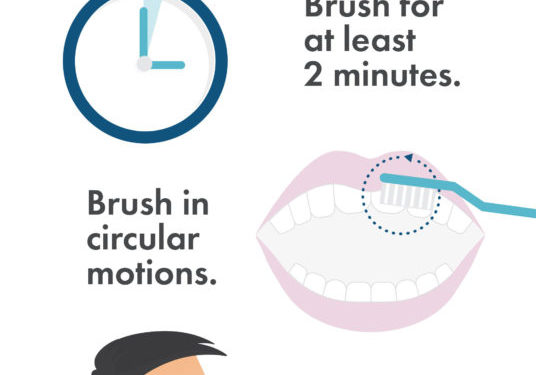
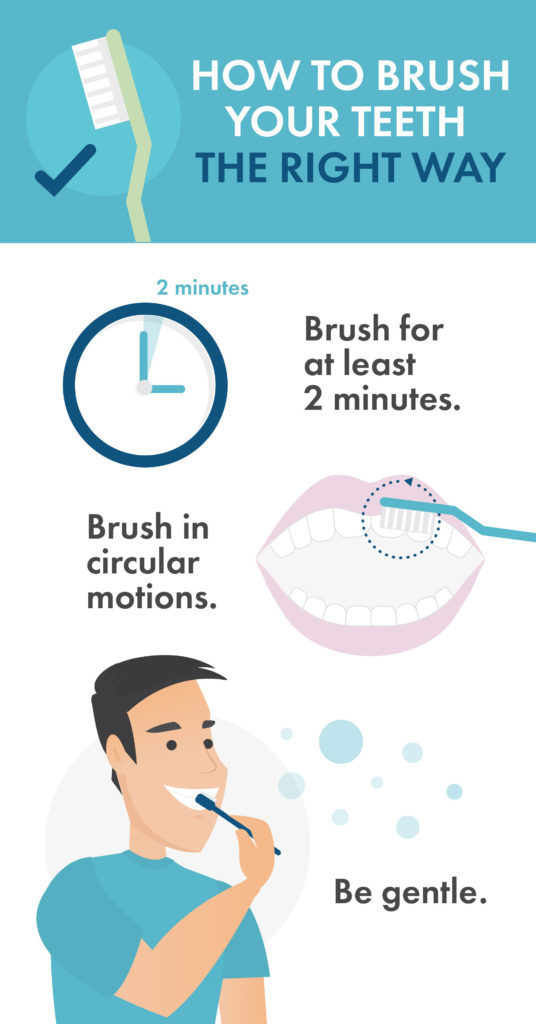
The way you brush is equally important — in fact, doing a poor job of brushing your teeth is almost as bad as not brushing at all. Take your time, moving the toothbrush in gentle, circular motions to remove plaque. Un removed plaque can harden, leading to calculus buildup and gingivitis (early gum disease).

3. Don’t neglect your tongue

Plaque can also build up on your tongue. Not only can this lead to bad mouth odor, but it can lead to other oral health problems. Gently brush your tongue every time you brush your teeth.

4. Use a fluoride toothpaste

When it comes to toothpaste, there are more important elements to look for than whitening power and flavours. No matter which version you choose, make sure it contains fluoride.

While fluoride has come under scrutiny by those worried about how it impacts other areas of health, this substance remains a mainstay in oral health. This is because fluoride is a leading defence against tooth decay. It works by fighting germs that can lead to decay, as well as providing a protective barrier for your teeth.

Purchase fluoride toothpaste here.

5. Treat flossing as important as brushing

Many who brush regularly neglect to floss. “Flossing is not just for getting those little pieces of Chinese food or broccoli that may be getting stuck in between your teeth,” says Jonathan Schwartz, DDS. “It’s really a way to stimulate the gums, reduce plaque, and help lower inflammation in the area.”

Flossing once a day is usually enough to reap these benefits.

Here’s a selection of dental floss to try.

6. Don’t let flossing difficulties stop you

Flossing can be difficult, especially for young children and older adults with arthritis. Rather than give up, look for tools that can help you floss your teeth. Ready-to-use dental flossers from the drugstore can make a difference.

7. Consider mouthwash

Advertisements make mouthwash seem necessary for good oral health, but many people skip them because they don’t know how they work. Schwartz says mouthwash helps in three ways: It reduces the amount of acid in the mouth, cleans hard-to-brush areas in and around the gums, and re-mineralizes the teeth. “Mouthwashes are useful as an adjunct tool to help bring things into balance,” he explains. “I think in children and older people, where the ability to brush and floss may not be ideal, a mouthwash is particularly helpful.”

Ask your dentist for specific mouthwash recommendations. Certain brands are best for children, and those with sensitive teeth. Prescription mouthwash is also available.

Purchase mouthwash online.

8. Drink more water

Water continues to be the best beverage for your overall health — including oral health. Also, as a rule of thumb, Schwartz recommends drinking water after every meal. This can help wash out some of the negative effects of sticky and acidic foods and beverages in between brushes.

9. Eat crunchy fruits and vegetables

Ready-to-eat foods are convenient, but perhaps not so much when it comes to your teeth. Eating fresh, crunchy produce not only contains more healthy fiber, but it’s also the best choice for your teeth. “I tell parents to get their kids on harder-to-eat and chew foods at a younger age,” says Schwartz. “So try to avoid the overly mushy processed stuff, stop cutting things into tiny pieces, and get those jaws working!”

10. Limit sugary and acidic foods

Ultimately, sugar converts into acid in the mouth, which can then erode the enamel of your teeth. These acids are what lead to cavities. Acidic fruits, teas, and coffee can also wear down tooth enamel. While you don’t necessarily have to avoid such foods altogether, it doesn’t hurt to be mindful.

11. See your dentist at least twice a year

Your own everyday habits are crucial to your overall oral health. Still, even the most dutiful brushers and flosses need to see a dentist regularly. At minimum, you should see your dentist for cleanings and checkups twice a year. Not only can a dentist remove calculus and look for cavities, but they will also be able to spot potential issues and offer treatment solutions. Some dental insurance companies even cover more frequent dental checkups. If this is the case for you, take advantage of it. Doing so is especially helpful if you have a history of dental issues, such as gingivitis or frequent cavities.

Types of Dentists: You’ve Got Questions, We’ve Got Answers

When you visit the dentist you might have noticed those three little letters listed after their name, DDS or DMD. That same dentist might have referred you to a dental specialist.  What’s the deal with all of these different types of dentists? How do you know what it all means and who you should visit? Not to worry, we’re here to help make sense of the different types of dentists what it means for you as a patient.

General Dentistry – DDS vs DMD

Most often when you go to the dentist, you are seeing your general dentist who is either a DDS or a DMD. A dentist with a DDS has earned their Doctor of Dental Surgery degree; one with a DMD earned their Doctor of Medicine in Dentistry or Doctor of Dental Medicine degree. Both a DDS and a DMD has three or more years of undergraduate studies followed by four years of dental school to earn those credentials.  

And yes, they sound the same. The truth is, they are. Both a DDS and a DMD are types of dentists who have the same degrees – the difference in title is due to the university they attended and how that university recognizes the profession. Both must complete the same course studies, a written exam, and a licensing exam to practice dentistry.

Both of theses types of dentists are considered general dentists and are your primary provider who treats your overall oral health care needs. This includes diagnosing and treating problems such as gum disease, cavities, root canals, crowns, and bridges as well as preventative care, hopefully allowing you to avoid the need for our next types of dentists – the dental specialists.

Dental Specialists

Sometimes your oral health needs may require your general dentist to refer you to a dental specialist. Dental specialists have completed an additional two to four years of training that is focused on a specific side of dentistry. Here are the most common types of dental specialists.  

Orthodontist – A patient is referred to an orthodontist when a general dentist notices misalignments with the jaw and/or teeth of both children and adults. If there are extra teeth, missing teeth, or teeth are crowded, an orthodontist will treat the patient with solutions like braces, Invisalign, and/or retainers. Don’t be surprised if your child is referred to an orthodontist as early as the age of seven.

Pediatric Dentist – The types of dentists who work exclusively with children are called pediatric dentists or pedodontists.  Much of their additional training focuses on building a positive association between children and their dentist and is based in child psychology. They work with children to build a base line for good oral health care and many work with patients who have special needs.

Oral Surgeon – an oral surgeon specializes in the surgical treatment of disease, injuries and esthetic or functional areas of the mouth. They are the ones who remove wisdom teeth, handle dental implants, and biopsy suspicious spots in the mouth. They also have additional training in anesthesia to ensure the comfort of the patient when surgery is required.

Endodontist – these dental specialists have received training to help patients address tooth pain while saving their natural teeth by performing root canal treatment – a procedure that treats the infected tissues within a tooth. In fact, the word “endodontic” comes from the Greek word “endo” meaning “inside” and “odont” meaning tooth!

Periodontist – a periodontist is a dental specialist that focuses on caring for your gums and the supporting tissues and structure around your teeth. In most cases, a referral to a periodontist is made to help patients treat advanced periodontal (gum) disease. They also are trained to place dental implants.  

Prosthodontist – this dental specialist focuses on helping patients restore and/or replace lost or damaged teeth. Their goal is to look at all of the elements related to helping a patient achieve a functional, natural looking smile. Some of the treatment they perform can include dental implants, bridges & dentures.

While it may seem like an inconvenience to visit a dental specialist, it is in your best interest to to do so when referred. Just like you wouldn’t visit your primary care physician for knee replacement surgery, a specialist has the additional training and experience to provide you with specialized treatment to help you achieve optimal oral health.

So there you have it, the types of dentists explained. Remember, your general dentist will always be your primary point of contact to help you with your oral health care needs. Do you need a new general dentist? Think you need a referral to a dental specialist? Find a PERFECT TEETH dental office near you online for more information.

What Your Tongue Can Tell You About Your Health

White Coating on Tongue
Your tongue is supposed to be a lovely shade of pink. If parts of your tongue appear to be coated with a white substance, this could be oral thrush, a yeast overgrowth that occurs inside the oral cavity. Of course, it could just be whitish from not brushing your tongue every time you brush your teeth. You do that, don’t you? If the white brushes away, you’re good to go.

White Patches on Tongue
Leukoplakia is a condition that can happen if the tongue has been irritated, such as with smoking or tobacco use. Every medical professional will advise you to quit that tobacco habit, but it’s ultimately up to you. If you see white patches, though, book a dentist appointment to be on the safe side and to rule out oral cancer.

Overly Red Tongue
While an overly red tongue can be a symptom of a Kawasaki disease, it’s much more commonly associated with a vitamin deficiency, such as folic acid or B-12. The solution could be simply adding a vitamin supplement to your morning smoothie. That’s not so bad, right?

Irregular Red Bumpy Patches
If your tongue looks like a roughly drawn map of irregular red and bumpy patches, this isn’t a fortune-teller sign that you’ll be going on a trip soon. You might be suffering from a high fever, in which case, taking a long journey overseas is the last thing you should be doing!

Tender, Sore Tongue
If your tongue is overly sensitive in one spot or all over, you could have a food allergy or a developing canker sore. Don’t worry about it, unless it doesn’t go away for a time. After that, time to call in the dentist for a professional opinion!

Hairy Tongue
Yep, sounds strange, but sometimes a protein build-up can cause small bumps to become elongated trapping food resulting in what looks like strands of hair on your tongue. Usually a good brushing or tongue scraping will take care of it, but if it doesn’t, a trip to the dentist is in order.

Your dentist is the first line of defense against both serious and benign health concerns. So, stick out your tongue at the dentist and be ready for a comprehensive oral checkup. You never know what your tongue might be telling you about your health!

Importance of Brushing With Tooth Paste

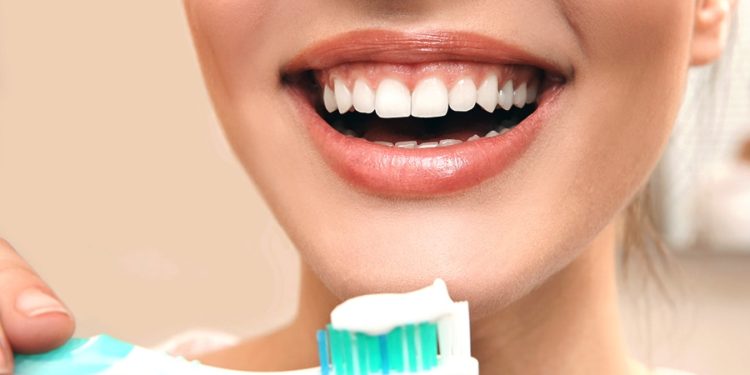
Brushing with toothpaste is important for several reasons. 

  • First and foremost, a toothpaste and a correct brushing action work to remove plaque, a sticky, harmful film of bacteria that grows on your teeth that cause cavities, gum disease, and eventual tooth loss if not controlled. 
  • Second, toothpaste contains fluoride, which makes the entire tooth structure more resistant to decay and promotes remineralization, which aids in repairing early decay before the damage can even be seen. 
  • Third, special ingredients in toothpaste help to clean and polish the teeth and remove stains over time. Fourth, toothpaste help freshen breath and leave your mouth with a clean feeling.

What type of toothpaste should I use?

 As long as your toothpaste contains fluoride, the brand you buy really does not matter, neither does whether or not it is in the paste, gel or even powder form or containing a certain flavor. All fluoride toothpaste work effectively to fight plaque and cavities and clean and polish tooth enamel. Your toothpaste brand should bear the ADA (American Dental Association) seal of approval on the container, which means that adequate evidence of safety and efficacy have been demonstrated in controlled, clinical trials.

If your teeth are hypersensitive to hot or cold, consider trying a toothpaste designed for sensitive teeth. These “desensitizing” toothpaste, which contains strontium chloride or potassium nitrate, protect exposed dentin by blocking the tubes in the teeth that are connected to nerves. Desensitizing pastes must be used for at least one month before any therapeutic effects are felt.

Toothpaste containing baking soda and/or hydrogen peroxide (which are both good cleansing agents) give the teeth and mouth a clean, fresh, pleasant feeling that can offer an incentive to brush more, but fluoride is the true active ingredient at work protecting your teeth. Some prefer a tartar-control toothpaste containing pyrophosphates to prevent the build-up of soft calculus (tartar) deposits on their teeth. New pastes offer advanced whitening formulas aimed at safely removing stains to make teeth brighter and shinier, although they can’t nearly match the effectiveness of a professional bleaching formula administered or prescribed by a dentist.

How much should I use?

Contrary to what toothpaste commercials show, the amount of paste or gel needed on your brush for effective cleaning does not have to be a heaping amount. Simply squeeze a pea-sized dab of paste on the top half of your brush. If you brush correctly, holding the toothbrush at a 45-degree angle and brush inside, outside and between your teeth, the paste should foam enough to cover all of your teeth. Children under age 6, however, should be given a very small, baby pea-sized dab of toothpaste on their brush.

Is brushing with toothpaste enough to fight cavities and gum disease?

No. Although brushing thoroughly after each meal helps, flossing your teeth every day to remove plaque and food particles between teeth and at the gumline is just as important. Studies show that plaque will regrow on teeth that are completely clean within three to four hours of brushing.

Symptoms of Infected Wisdom Teeth

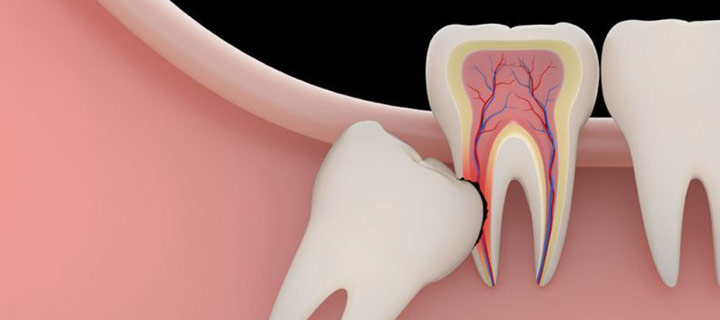
Wisdom teeth are the last teeth to break through the gums. They grow at the very back of a person’s mouth. There are normally four wisdom teeth in total, with one in each of the furthest corners of the top and bottom gums.

Symptoms of wisdom teeth infection

  • Red or swollen gums
  • Tender or bleeding gums
  • Jaw pain
  • Swelling around the jaw
  • Bad breath
  • An unpleasant taste in your mouth
  • Difficulty opening your mouth

Prevention

You can’t keep an impaction from occurring, but keeping regular six-month dental appointments for cleaning and checkups enables your dentist to monitor the growth and emergence of your wisdom teeth. Regularly updated dental X-rays may indicate impacted wisdom teeth before any symptoms develop.

Treatment for wisdom teeth infection

Infections caused by wisdom teeth can be treated:

  • by improving oral hygiene in the area
  • by having the area cleaned by a dentist
  • sometimes, by the prescription of antibiotics 

However, the infection may keep coming back if problem teeth are not removed. People who have other health problems, especially people with lower immunity, may have complications from these infections.

What Is Periodontics?

Periodontics is an oral specialty focusing on inflammatory diseases that affect the gums and oral structures supporting the teeth. Periodontists are dentists who specialize in the diagnosis, prevention and treatment of periodontal disease. They also specialize in the placement of dental implants.

With extensive training beyond traditional dental school, periodontists often treat especially problematic periodontal cases, involving severe gum disease and patients with complex medical histories. Among the specialized services periodontists provide include:

  • Scaling and root planing, during which the infected surface of a tooth’s root is cleaned
  • Root surface debridement, involving the removal of damaged tissue
  • Crown lengthening services, soft tissue grafting and removal or re-contouring

Periodontists are also able to treat severe gum problems using an array of surgical procedures. They are also specially trained in the maintenance, placement and repair of dental implants.

Who Needs a Periodontist?

If you have significant gum disease or require dental implants, you should consider seeing a periodontist. Since gum disease can lead to other serious medical conditions, it’s important to talk with your general dentist if you have any symptoms of gum disease, including bleeding, swelling or tenderness.

If you are unhappy with the aesthetic appearance of your gums, a periodontist may also be able to recommend effective cosmetic treatments.

How do I get a Referral for Periodontics Care?

If your family dentist has identified potential periodontal issues during an examination, you should ask if a visit to a periodontist is in order.

From there, the professional staff at Gentle Dental can help you schedule an appointment with one of our expert neighborhood periodontists.

What Can I Expect at a Periodontal Appointment?

Once you arrive for your appointment, the periodontist will carefully review your patient history and thoroughly examine your mouth.

During the exam, the periodontist will check for gumline recession, jaw alignment issues and loose teeth. He or she will also use a small measuring instrument to measure the depth of the spaces – known as periodontal pockets – between the teeth and gums. X-rays may also be needed to assess the health of the bone below the gumline.

Once he or she has identified the problem, the periodontist will recommend an appropriate treatment plan to correct the issue.

How Much Will it Cost?

Overall costs will vary depending on the extent of the problem and required treatment. Since periodontal treatments are considered necessary, dental insurance typically covers all or most of the associated costs. If affordability is an issue, we are pleased to offer flexible financing plans, along with discounts for patients without insurance.