Advances in Cosmetic Dentistry: Transform Your Smile

Cosmetic dentistry has witnessed remarkable advancements in recent years, offering innovative solutions that can dramatically transform your smile and boost your confidence. Modern techniques and technologies provide effective, minimally invasive, and long-lasting results tailored to individual needs.

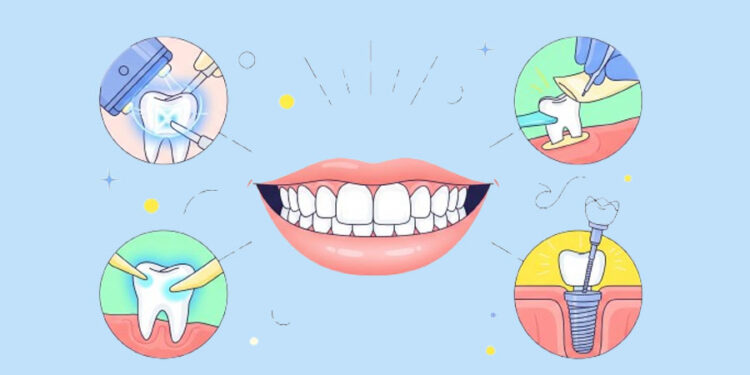
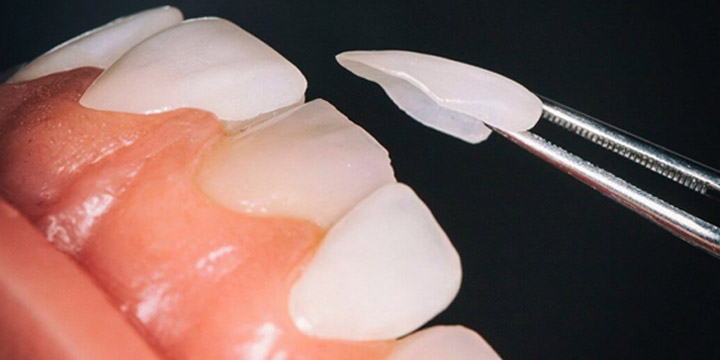
One of the key advances is the development of dental veneers, which are ultra-thin shells crafted from porcelain or composite resin that cover the front surface of teeth. Veneers can correct a range of issues including discoloration, chips, gaps, and minor misalignments, creating a natural and aesthetically pleasing appearance.

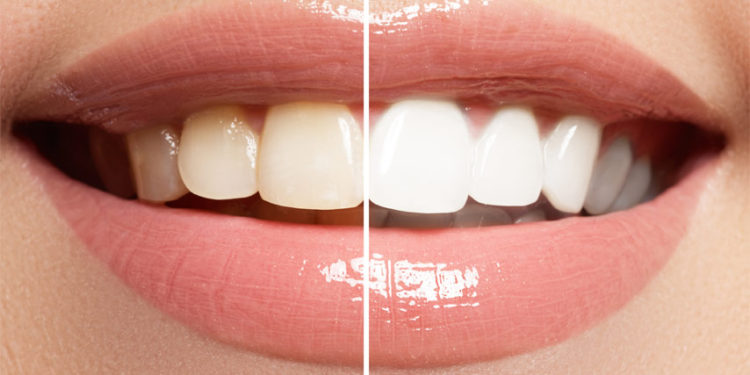
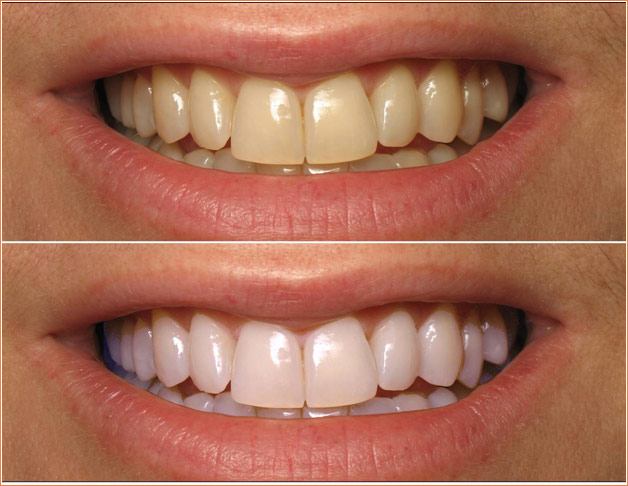
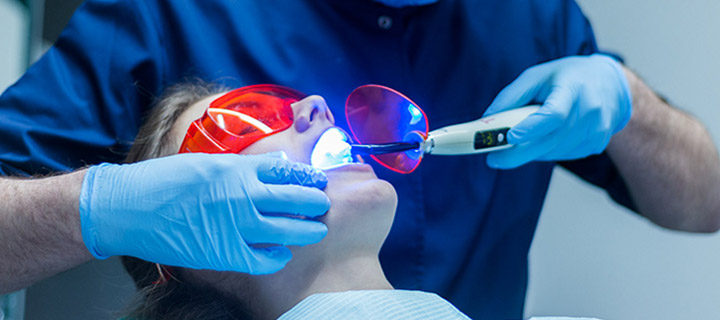
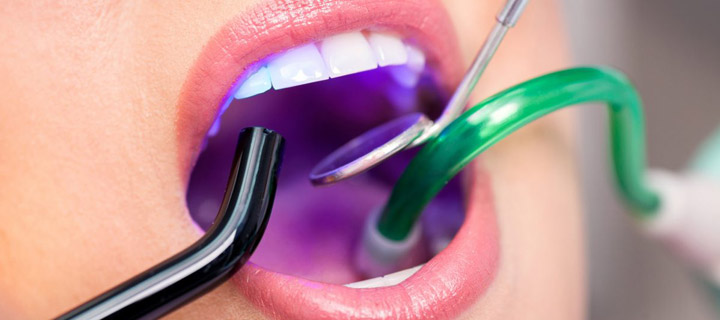
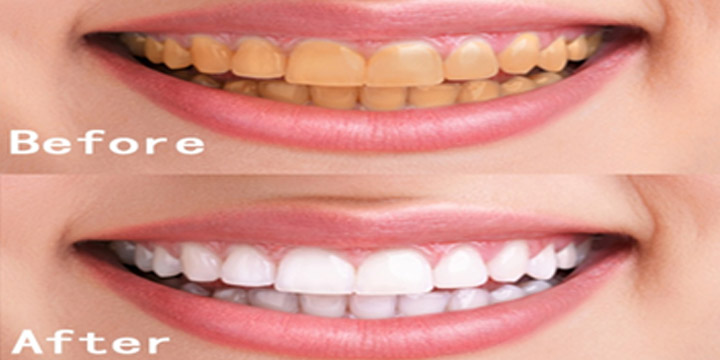
Teeth whitening procedures have also become more sophisticated, with options like laser whitening and custom-fitted trays delivering faster, safer, and more enduring results. These treatments effectively remove stains caused by food, drinks, or smoking, brightening your smile by several shades.

Dental bonding is another popular technique where tooth-colored resin is applied to repair minor imperfections such as cracks or discoloration. This procedure is quick, painless, and cost-effective while providing a significant cosmetic improvement.

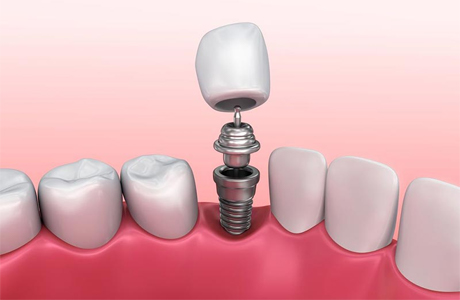
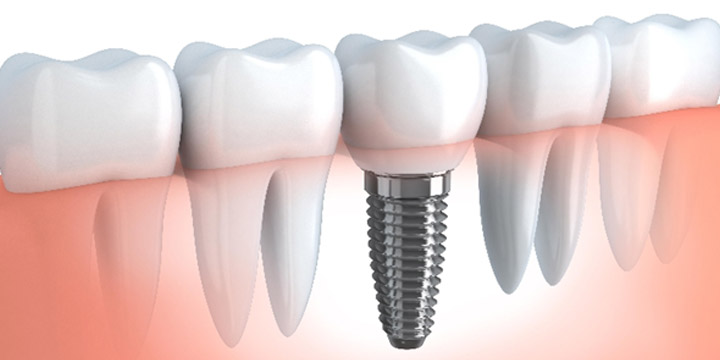
For those with missing teeth, dental implants offer a revolutionary alternative to traditional dentures. Implants are titanium posts surgically inserted into the jawbone, serving as sturdy anchors for replacement teeth that look and function like natural teeth.

Digital technology has also enhanced treatment planning and execution. Digital smile design allows dentists to create 3D models and simulations, enabling patients to visualize results before treatment begins. Additionally, CAD/CAM technology facilitates the creation of precise dental restorations in a single visit.

Overall, advances in cosmetic dentistry enable personalized treatments that not only improve aesthetics but also enhance oral health and function. Consulting with a qualified cosmetic dentist can help you explore the best options to achieve a radiant, confident smile.

Common Dental Treatments: What to Expect at Your Dentist Visit

Visiting the dentist is an essential part of maintaining your overall health, and understanding the most common procedures can help ease any anxiety you might have. Here is a breakdown of what you can expect from some of the most frequent dental treatments.


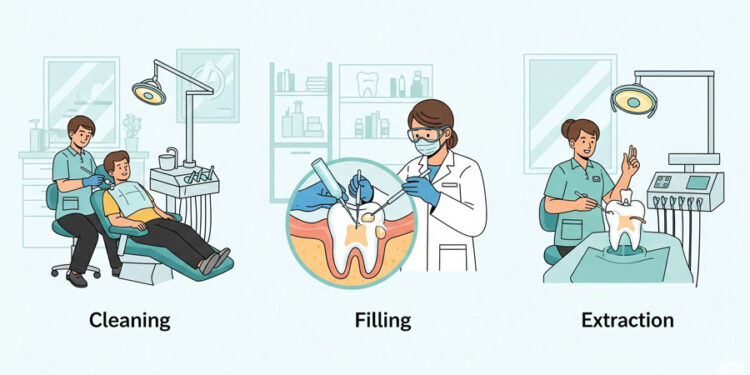
1. Regular Check-up and Cleaning

This is the most common reason for a dental visit, and it is crucial for preventative care.

  • The Exam: Your dentist will first conduct a thorough examination of your mouth, looking for signs of cavities, gum disease, and other oral health issues. They may also take X-rays to see what’s happening beneath the surface of your teeth and gums.
  • The Cleaning: A dental hygienist will use specialized tools to remove plaque and tartar (hardened plaque) from your teeth, both above and below the gum line. They will then polish your teeth with a gritty paste to remove surface stains and finish by flossing between your teeth.
  • What to Expect: The cleaning may involve some scraping sounds and a bit of pressure, but it should not be painful. The polishing feels similar to a thorough brushing. The entire process typically takes about 30 to 60 minutes.

2. Fillings

Fillings are used to repair a tooth that has been damaged by decay (a cavity) or minor fractures.

  • What It Involves: First, the dentist will numb the area around the tooth with a local anesthetic to ensure you don’t feel any pain. They will then use a drill to remove the decayed portion of the tooth. Once the decay is gone, the dentist will fill the space with a restorative material, such as composite (tooth-colored) or amalgam (silver-colored).
  • What to Expect: You will feel a small pinch from the numbing injection, followed by a sensation of pressure or vibration as the dentist works. The numbness will wear off within a few hours.

3. Root Canal Therapy

This procedure is performed to save a tooth that is severely infected or decayed to the point that the pulp (the soft tissue inside the tooth) is affected.

  • What It Involves: After numbing the area, the dentist makes an opening in the crown of the tooth to access the infected pulp. They will then carefully remove the infected tissue, clean and shape the inside of the tooth, and fill the space with a sterile, rubber-like material. The tooth is then sealed. In most cases, a crown will be placed over the tooth later to protect it.
  • What to Expect: Despite its reputation, a root canal is not a painful procedure. The anesthetic ensures you are comfortable throughout the treatment. You may experience some soreness for a few days afterward, but this can be managed with over-the-counter pain medication.

4. Crowns

A crown is a custom-made cap that fits over a damaged or weakened tooth to restore its shape, size, strength, and appearance.

  • What It Involves: This procedure typically requires two visits. During the first visit, the dentist will prepare the tooth by reshaping it to make room for the crown. They will then take an impression of your tooth, which is sent to a lab to create the permanent crown. A temporary crown is placed to protect the tooth. During the second visit, the temporary crown is removed, and the permanent one is cemented into place.
  • What to Expect: You’ll receive a local anesthetic for both visits. The process is straightforward, and the temporary crown will feel a bit different but allows you to continue eating and brushing normally until the permanent crown is ready.

5. Tooth Extractions

A tooth extraction is the removal of a tooth. This is done when a tooth is too damaged to be saved by other treatments, or for orthodontic reasons.

  • What It Involves: The dentist will first numb the area. Then, using special tools, they will carefully and gently loosen the tooth and remove it. They will then provide you with instructions on how to care for the extraction site.
  • What to Expect: You should not feel any sharp pain during the procedure, only a feeling of pressure. Afterward, you will need to follow your dentist’s post-operative instructions carefully to ensure proper healing and avoid complications.

Open communication is key to a comfortable dental visit. Don’t hesitate to ask your dentist questions about any procedure you are undergoing.

How can I prevent cavities in toddler teeth

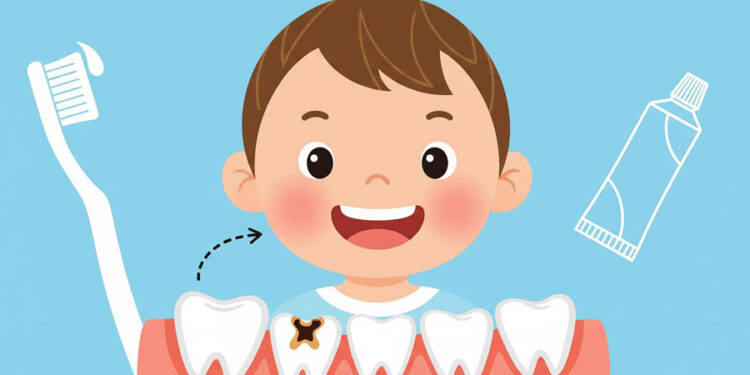
To prevent cavities in toddler teeth, follow these expert strategies:

  • Brush Twice Daily with Fluoride Toothpaste: Start brushing your child’s teeth as soon as the first tooth appears, using a tiny smear (grain of rice size) of fluoride toothpaste for children under 3, and a pea-sized amount for those 3 and older. Brush at least twice daily, especially before bedtime, and supervise brushing to ensure proper technique. Avoid rinsing after brushing to let the fluoride remain on the teeth.
  • Practice Flossing: Begin flossing when two teeth touch; plaque can hide between teeth where a brush cannot reach.
  • Limit Sugary Foods and Drinks: Offer healthy snacks that are low in sugar and avoid sticky candies, juices, and sweetened beverages. If your child drinks juice, restrict it to mealtimes and no more than 4 ounces a day. Water is the best drink between meals to rinse food particles away.
  • No Bottles in Bed: Never put your toddler to sleep with a bottle of milk, juice, or any sweetened drink as it increases the risk of “baby bottle tooth decay.” If your child needs a bottle, fill it with water only.
  • Avoid Grazing: Do not let your child snack or sip drinks (other than water) frequently throughout the day, as this creates a constant sugar supply for cavity-causing bacteria.
  • Early Dental Visits: Schedule the first dental check-up by your child’s first birthday or within 6 months after the first tooth erupts. Regular visits help catch any issues early and give access to preventive fluoride treatments and advice.
  • Fluoride Protection: Ensure your child gets fluoride, either through toothpaste, drinking water, supplements, or professional applications if your community water is not fluoridated.
  • Dental Sealants: Ask your dentist about sealants, which are protective coatings applied to back teeth to shield against decay.
  • No Sharing Utensils: Avoid sharing spoons, cups, or cleaning pacifiers with your mouth to prevent the spread of cavity-causing bacteria.

These habits lay the foundation for a healthy mouth and reduce the risk of cavities for your toddler now and as they grow.

Dental Care for Children & Families

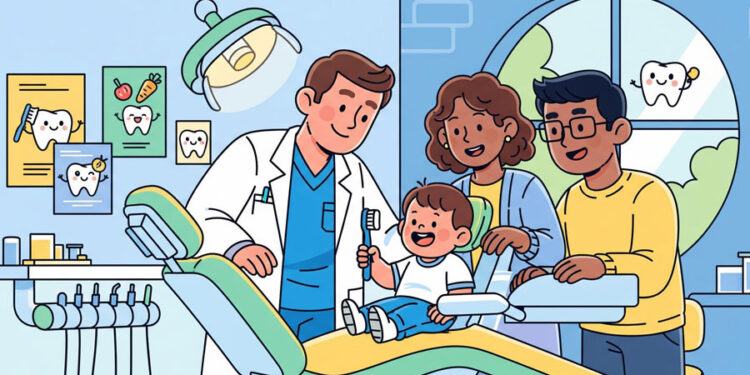
Maintaining good oral health is essential for the entire family, but particularly important for children, as healthy habits formed early can last a lifetime. Here’s a guide to dental care for children and families in 2025:

Oral Hygiene Habits for Children

  • Begin Early: Start cleaning your baby’s gums with a soft, damp cloth even before their first tooth appears. Once teeth emerge (usually around 6 months), switch to a soft-bristled, age-appropriate toothbrush with just a smear of fluoride toothpaste.
  • Supervised Brushing: Young children need help brushing and flossing until they have the dexterity to do it themselves—usually around ages 7 to 8. Use a rice-sized smear of fluoride toothpaste for children under 3, and a pea-sized amount for children ages 3 and up.
  • Brush and Floss Daily: Brush teeth twice a day for at least 2 minutes each time. Floss once a day as soon as two teeth touch.

Making Dental Care Fun

  • Use colorful brushes, songs, and timers to make brushing engaging.
  • Supervise and guide their hand to ensure effective cleaning.
  • Lead by example—let your children see the whole family brushing and flossing together.

Healthy Diet for Strong Teeth

  • Limit sugary snacks and drinks; choose tooth-friendly snacks like cheese, yogurt, fruit, and crunchy vegetables.
  • Encourage drinking water, especially after eating, to rinse away food particles.

Regular Dental Visits and Professional Care

  • Timing: The first dental visit should occur by the age of 1, or within six months of the first tooth coming in.
  • Frequency: Schedule check-ups every six months, or as recommended by your dentist, for cleanings, fluoride treatments, and monitoring development.
  • Fluoride: Ensure children use fluoride toothpaste and consider professional fluoride treatments for extra protection, especially if your water supply is not fluoridated.

Extra Tips for the Whole Family

  • Replace toothbrushes every 3–4 months, or sooner if bristles are frayed.
  • Use antibacterial mouthwash as an extra preventive step for older children and adults.
  • If your child plays contact sports, ask your dentist about mouthguards to prevent injuries.

Building Lifelong Healthy Habits

  • Consistency is key: Make oral hygiene part of the family routine by brushing and flossing at the same time each day.
  • Educate: Talk openly about the importance of oral health and teach kids why dental care matters.

By taking these steps and working closely with your family dentist, you can ensure healthy smiles for everyone in your family—now and for years to come.

Single Tooth vs. Multiple Teeth Replacement Options

Missing teeth can significantly impact your smile, confidence, and even chewing ability. Fortunately, modern dentistry offers various solutions to restore your oral health and function. Here’s a comparison of two common approaches:

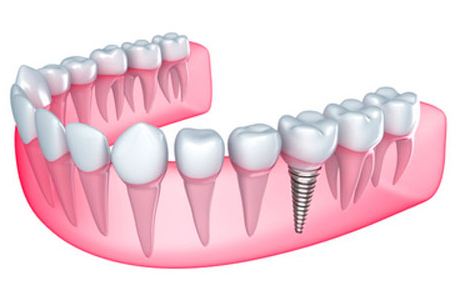
Dental Implant: Considered the gold standard due to its durability, natural look, and function. An implant screw is surgically placed in the jawbone to act as an artificial tooth root. A crown is then attached to the implant for a permanent restoration.

Dental Bridge: A fixed bridge involves placing crowns on the teeth adjacent to the gap and attaching an artificial tooth in between. Requires modifying healthy teeth, potentially compromising their long-term health.

The Best Dental in Staveya Dental in Ahmadabad

All-on-4 vs. Traditional Dental Implants

Both All-on-4 and traditional dental implants aim to replace missing or damaged teeth, but they differ significantly in their approach. Here’s a breakdown to help you understand:

Traditional Implants: Each missing tooth typically requires a single implant. Depending on the number of teeth missing, this could involve multiple implants (up to 10 or more for a full arch).

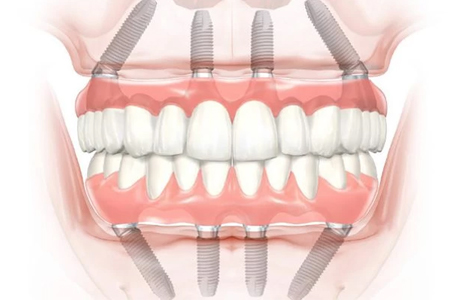
All-on-4: This technique utilizes only four implants per jaw (upper or lower) to support a fixed denture. Strategic placement, including strategically angled implants in the back, allows for this efficient approach.

Traditional Implants: A multi-step process. Initial surgery inserts the implants, followed by a healing period (several months) for osseointegration (fusion with jawbone). After healing, another procedure attaches the replacement teeth.

All-on-4: Often completed in one surgery. The implants are placed, and a temporary fixed denture is attached on the same day. After healing and osseointegration, a permanent denture is secured.

The Best Dental in Staveya Dental in Ahmadabad

History-dental-implants

The history of dental implants is a long and fascinating journey, stretching back thousands of years and showcasing humanity’s constant strive for improved dental health and aesthetics. Here’s a glimpse into this timeline

Ancient Civilizations (4000 BC – 600 AD): Evidence suggests early attempts at replacing missing teeth. Excavations in China revealed carved bamboo pegs used around 2000 BC. The Egyptians used gold and precious metals for similar purposes around 1000 BC. The Mayans were known to utilize seashells as implants roughly around 600 AD.

Medieval Era (600 AD – 1800s): While the concept persisted, materials and techniques remained primitive. Animal teeth and even human teeth (often from the underprivileged) were used. Gold wires found use in stabilizing loose teeth.

The Best Dental in Staveya Dental in Ahmadabad

Aesthetic Dentistry

Bleaching/whitening

What Is It?

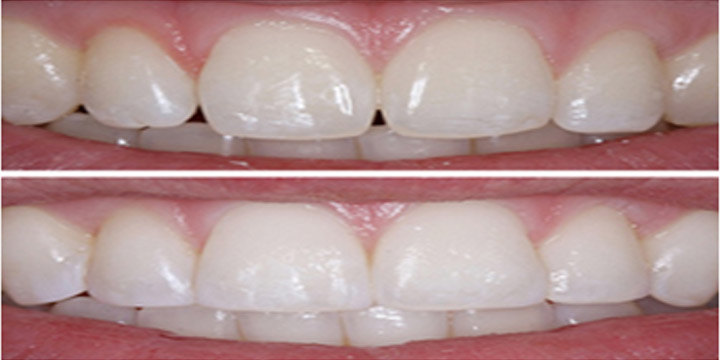
Tooth whitening lightens teeth and helps to remove stains and discoloration. Whitening is among the most popular cosmetic dental procedures because it can greatly improve how your teeth look. Most dentists perform tooth whitening.

Whitening is not a one-time procedure. It will need to be repeated from time to time if you want to maintain the brighter color.

Bleaching/whitening

Veeners

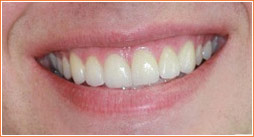
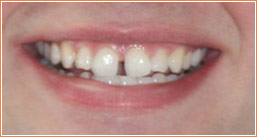
Dental veneers (sometimes called porcelain veneers or dental porcelain laminates) are wafer-thin, custom-made shells of tooth-colored materials designed to cover the front surface of teeth to improve your appearance. These shells are bonded to the front of the teeth changing their color, shape, size, or length.

Veeners
Veeners

Aesthetic Inlays / Onlays

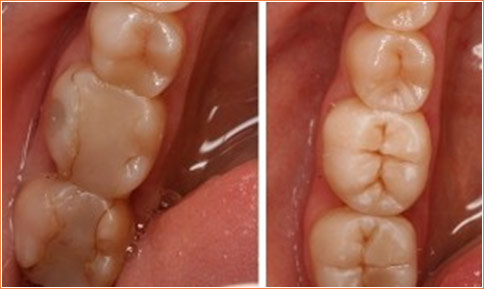
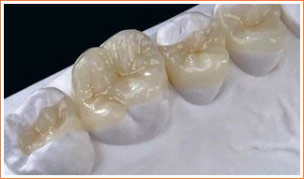
Aesthetic inlays / onlays are the common preference now over traditional amalgam filling. Many people are choosing to replace their fillings with natural-colored inlays and onlays for aesthetic reasons.

Aesthetic Inlays / Onlays

WHAT ARE AESTHETIC INLAYS AND ONLAYS?

Aesthetic Inlays / Onlays

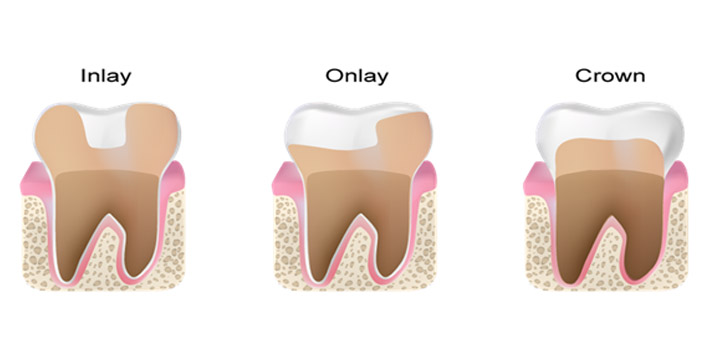
An inlay or onlay is a type of material which is placed inside or over the surface of a decayed or damaged tooth and are seen as a good alternative to a crown. Placed to cover the top surface of the tooth, they are made from a variety of materials which resembles the natural color of your own teeth to make it more visually attractive.

ADVANTAGES OF AESTHETIC INLAYS AND ONLAYS

The main benefit is that they fit in very well with the rest of your teeth. The material used is ‘tooth colored‘ and has a realistic appearance, which is good news from a cosmetic point of view.

This procedure is often part of an overall ‘smile makeover, in which various procedures are performed to enhance the appearance of teeth and provide a huge confidence boost.

There is no risk of the inlays and onlays becoming discolored over time. They are also easy to clean as part of a daily dental routine and provide extra support for a tooth.

6 Ways to Keep Your Gums Healthy

6 Ways to Keep Your Gums Healthy

  • Gum disease
  • Floss
  • Get regular cleanings
  • Quit smoking
  • Brush twice a day
  • Use fluoride toothpaste
  • Use mouthwash

What’s so great about gums?

When it comes to your mouth’s health, it’s not all about how straight your teeth are or how bright your smile is. You can’t forget about your gums! Even if you’re cavity-free and have the pearliest chompers in town, that doesn’t mean you’re immune to gum disease. Since it’s usually painless, most people have no idea that anything is wrong with their gums.

What is gum disease?

Gum disease starts when plaque builds up under and along the gum line. Plaque is a sticky film-like substance that’s filled with bacteria. It can cause infections that hurt the gum and bone, leading to gum disease and tooth decay. Plaque also can cause gingivitis, the earliest stage of gum disease. Gingivitis causes your gums to become:

  • inflamed
  • tender
  • red
  • swollen
  • prone to bleeding

Fortunately, since the bone and tissue holding the teeth in place aren’t impacted, this damage is Reversible

You can also develop periodontitis, an advanced form of gum disease. Periodontitis impacts the bones that hold your teeth in place. Left untreated, it can ruin the gums, bones, and tissues connected to your teeth.

The final stage of gum disease is advanced periodontitis. This is when the fibers and bone supporting your teeth are destroyed. It can impact your bite, and teeth may need to be removed.

According to the American Dental Association (ADA), signs that you might have gum disease include:

  • consistently bad taste or breath
  • separating or loose permanent teeth
  • gums that easily bleed
  • gums that are swollen, red, or tender
  • gums that have pulled away from your teeth

Gum disease is preventable. Here are a few ways you can help keep your gums healthy.

1. Floss

Floss at least once a day. This helps remove the plaque and food that’s beyond your toothbrush’s reach, according to the ADA. It doesn’t matter when you floss. Do it at night, do it in the morning, or do it after lunch… just do it!

2. Get regular dental cleanings

Your dentist can detect early gum disease symptoms if you see them on a regular basis. That way symptoms can be treated before they become more serious. A professional cleaning is the only way to remove tartar. It can also get rid of any plaque you missed when brushing or flossing. If you have gingivitis, brushing, flossing, and regular dental cleanings can help reverse it.

3. Quit smoking

Yet another reason for smokers to quit: Smoking is strongly associated with the onset of gum disease. Since smoking weakens your immune system, it also makes it harder to fight off a gum infection, say the Centers for Disease Control and Prevention (CDC)Trusted Source. Plus, smoking makes it more difficult for your gums to heal once they’ve been damaged.

4. Brush twice a day

Brush your teeth after every meal. This helps remove the food and plaque trapped between your teeth and gums. Scrub your tongue too, since it can harbor bacteria. Your toothbrush should have soft bristles and fit in your mouth comfortably.

Consider a battery-powered or electric toothbrush. These can help reduce gingivitis and plaque more than manual brushing. Swap toothbrushes or toothbrush heads every three to four months, or sooner if the bristles start to fray.

5. Use fluoride toothpaste

As for toothpaste, store shelves are lined with brands that claim to reduce gingivitis, freshen breath, and whiten teeth. How do you know which one is best for healthy gums? Make sure to choose toothpaste that contains fluoride and has the ADA seal of acceptance. After that, the flavor and color is up to you!

You can purchase toothpaste that contains fluoride online.

6. Use a therapeutic mouthwash

Usually available over the counter, therapeutic mouthwashes can help reduce plaque, prevent or reduce gingivitis, reduce the speed that tarter develops, or a combination of these benefits, according to the ADA. Plus: A rinse helps remove food particles and debris from your mouth, though it’s not a substitute for flossing or brushing. Look for the ADA seal, which means it’s been deemed effective and safe.

It doesn’t matter whether your brush, floss, or rinse first. Just do a good job and use the right products.

GENERAL PROCEDURE OF DISIMPACTION

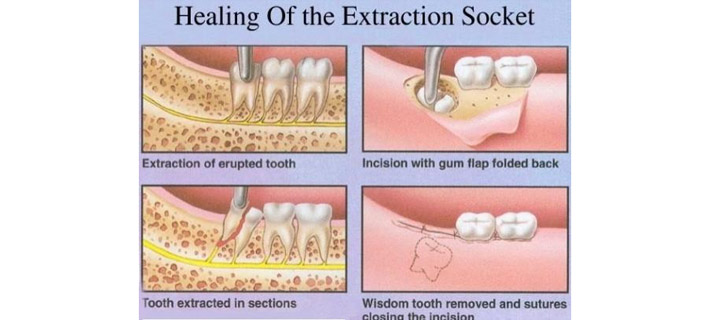
1. DISIMPACTION is initiated by administration of local or general anesthetic as decided by dentist with patient’s consent.

2. Once anesthetized, In second step, the gums are incised and underlying bone is partially removed by surgical instruments to gain access to the impacted tooth.

3. In third step, it is decided by dental surgeon whether to remove the tooth as single structure or whether to split in multiple sections. 

4.Now after ensuring  the complete removal of all the pieces of wisdom tooth, the gum is approximated and sutures (stitches) are placed. The number of suture is decided by the dentist and depends on the size of incision.  5.Once the removal is completed, the dentist gives particular set of instructions to the patient so that the patient  can recover quickly along with the help of antibiotics and pain killers.

Generally the instructions are

1. Instructions for 1st  24 hours

(a) Patient is advised not to

  • Spit
  • Gargle
  • Brush

(b)Patient should be on liquid or semisolid diet preferably ice-creams, curds, lassi etc.

2. Instructions for remaining 3-5 days

  • Usually the patient is asked,
  • Not to have hot, hard and spicy
  • Not to use straw
  • Must clean the mouth specially the extraction area using warm water with salt
  • Not to miss any dosage of medication / prescription 
  • Not to open the mouth very wide
  • To come back for follow up after medication are over.

Usually in 3-5 days the primary healing may be completed, but for completion of healing of jaw bone it may take up to 4 weeks.However the patient will be able to continue his/ her daily activities without any trouble within third day of the surgery.As the surgical procedure is painless and while recovery the pain is controlled by medicines. However, patients cooperation to keep the surgical site clean after having food is of utmost importance.

Laser Dentistry: What is Laser Dentistry?

What is laser dentistry? If you’ve never heard of this innovative type of dental care, now is the time to learn. Laser dentistry is a minimally invasive option when you’re facing gum surgery, cavity treatment, or other oral issues. Discuss your laser surgery options with one of our dentists today.

Laser Dentistry: An Overview

Medical professionals use lasers, which are extremely focused light beams, to alter or remove tissue in small amounts. Laser surgery is not limited to dentistry, but many people have never heard of laser dentistry before having it done. Dentists use lasers in a variety of procedures involving the inside of the mouth, be it to remove overgrown tissue, to reshape the gums, or to whiten teeth. Sometimes, laser dentistry is ideal for children who become anxious or afraid when having dental work done.

What Laser Dentistry Can Treat

Most issues laser dentistry treats are related to the gums. Some of these include:

  • Canker sore and cold sore pain treatments.
  • Treating root canal infections.
  • Treating gum disease.
  • Removing gum inflammation.
  • Gum reshaping.
  • Biopsies.
  • Exposing wisdom teeth.
  • Removing throat tissue that causes sleep apnea.
  • Regenerating damaged nerves.
  • Removing benign oral tumours.

Benefits of Laser Dentistry

Dentists choose laser dentistry because of distinct benefits that make the procedures go more smoothly, and also reduce discomfort and healing time for patients.

  • Patients are less likely to require sutures
  • Anesthesia may not be necessary
  • The laser will sterilize the gums, making infection less likely
  • Less damage to gums shortens the healing time
  • Patients lose less blood than traditional surgery

What Happens During Laser Gum Surgery or Other Dentistry?

When you come for your laser dentistry appointment, you might be surprised to discover that the process is very similar to other dentistry appointments, like tooth fillings. You receive anesthesia, though it might not be as much as you’re used to receiving. Some patients who experience anxiety might receive a sedative, too.

During the procedure, you won’t feel any vibrations or discomfort from the laser like you do from the drill. Any bleeding that occurs gets wiped away, just like before. Your mouth will be propped open as the dentist works with the laser to treat your issues.

Post-Operative Expectations

If you’ve ever had gum surgery done without a laser, you can expect that your post-operative experience after laser dentistry will likely be smoother. Because a laser causes far less bleeding than a scalpel, don’t expect the site of your surgery to bleed very much when you get home. You won’t have an open, bleeding wound the way you would with a scalpel procedure.

While you should still follow cleaning and care instructions to the letter, you’re less likely to get an infection. You also won’t typically experience the pain and discomfort associated with scalpel surgery because your post-op irritation is likely to be minor.

The Types of Lasers Used in Dentistry

The two main types of lasers dentists use during laser procedures are hard tissue and soft tissue lasers. Each laser uses a different wavelength that makes it appropriate for cutting into that specific type of tissue. This works because each kind of tissue absorbs wavelengths of light in different ways. By altering the light’s wavelength (and sometimes pulse) scientists have figured out how to craft lasers with light wavelengths compatible with the tissues in your mouth.

Hard Tissue Lasers

A hard tissue laser is used primarily for your teeth. The wavelength of one of these lasers cuts through both water and bone, specifically the calcium phosphate that’s in your bones and your teeth. These lasers can very accurately cut into your teeth, removing small amounts for shaping purposes or in preparation for procedures. Hard tissue lasers are used for:

  • Detecting cavities.
  • Dealing with tooth sensitivity.
  • Preparing teeth for dental fillings.

Soft Tissue Lasers

The soft tissue lasers use a light wavelength that hemoglobin and water absorb easily. Hemoglobin is the molecule found in blood, which makes soft tissue lasers ideal for gum work. Some soft tissue lasers are diode lasers, which is a type of continuous-wave laser.

These lasers are ideal for cutting into soft tissue and sealing the exposed blood vessels at the same time. This is the reason you don’t bleed very much during laser dentistry and why healing is quicker after laser dentistry. Soft tissue lasers are great for cosmetic procedures because you can begin to see results right away. Soft tissue lasers are used for:

  • Lengthening crowns.
  • Dealing with restricted tongue movement.
  • Reshaping the gums to create a more pleasing smile.
  • Removing folds in oral soft tissues caused by dentures.

Whether you’re having laser gum surgery or hard tissue work, expect an easier procedure and a shorter recovery time. Laser dentistry is a convenient solution to many oral and dental problems, whether serious in nature or simply cosmetic. Ask your dentist about laser dentistry the next time you need dental work completed.

Five Types of Cosmetic Dentistry Procedures

Cosmetic dentistry is a method of professional oral care that focuses on improving the appearance of your mouth, teeth and smile. And although cosmetic dentistry procedures are usually elective, rather than essential, some cases of treatment also provide restorative benefits.

The most common procedures used in cosmetic dentistry are fairly simple, whereas others are more complex and require specialized care.

Inlays and Onlays

These are also known as indirect fillings, which are made by a dental laboratory, and they are used when a tooth has mild to moderate decay or there is not enough tooth structure to support a filling. Provided there is no damage to the tooth cusps, according to Choice One Dental Care, the inlay is placed directly onto the tooth surface. When the cusp or a greater portion of the tooth is damaged, however, an onlay is used instead to cover the tooth’s entire surface.

Inlays and onlays are made in a dental laboratory from composite resin material and attached to the teeth with adhesive dental cement. They provide support to strengthen teeth, restore their shape and avoid any further decay or deterioration.

Composite Bonding

Composite bonding refers to the repair of decayed, damaged or discolored teeth using material that resembles the color of tooth enamel. Your dentist drills out the tooth decay and applies the composite onto the tooth’s surface, then “sculpts” it into the right shape before curing it with a high-intensity light. Also referred to as simply “bonding,” per the Consumer Guide to Dentistry, this effectively covers the damage to the tooth and gives the appearance of a healthy tooth in its place. Bonding is one of the least expensive cosmetic dentistry procedures available to patients with tooth decay, chipped or cracked teeth and worn-down edges.

Dental Veneers

Typically manufactured from medical-grade ceramic, dental veneers are made individually for each patient to resemble one’s natural teeth, according to Bruce Wilderman, DDS. They look exceptionally realistic and can resolve numerous cosmetic problems, ranging from crooked teeth, to cracked or damaged enamel to noticeable gaps between two teeth. The dentist applies the veneer to the front of each tooth using a dental adhesive.

Teeth Whitening

One of the most basic cosmetic dentistry procedures, teeth whitening or teeth bleaching can be performed at your dentist’s office. Whitening should occur after plaque, tartar and other debris are cleaned from the surface of each tooth, restoring their natural appearance. Teeth can also be bleached to achieve an even lighter shade than this original color, according to the American Dental Association (ADA) Mouth Healthy site.

Over the years, teeth become stained and worn from food, drinks, medication and personal habits such as smoking. Whitening coats the teeth and this procedure can be done in the dental office or at home.

Implants

Dental implants are used to replace teeth after tooth loss. The dentist inserts a small titanium screw into the jaw at the site of the missing tooth, which serves as the support for a crown. These implants are almost indistinguishable from the surrounding natural teeth, and once the bone and supporting tissue fuse to the implant, they are permanently secured into place. Patients need to practice diligent oral hygiene during the implant placement period to clean plaque and food debris from the area. If you’re considering cosmetic dentistry procedures, it’s vital to find a cosmetic dentist who specifically offers the option you’re interested in. Talk with family and friends to find out if they can refer to you a dental professional, or check with the AACD for listings of dentists in your area.