Understanding Root Canal Treatment: Myths and Facts

Root canal treatment is a common dental procedure designed to save a tooth that is infected or severely damaged. However, it is often misunderstood, causing unnecessary fear and hesitation. Here, we clarify some of the most common myths and provide the facts to help you feel informed and confident about this treatment.

Myth 1: Root Canal Treatment Is Painful

Fact: Modern root canal treatments are no more painful than getting a routine dental filling. Advanced anesthetics and techniques help ensure the procedure is comfortable and pain-free. In fact, the treatment relieves the severe toothache caused by infection or inflammation of the tooth pulp. Most patients feel relief after the procedure rather than pain during it.

Myth 2: It’s Better to Extract the Tooth than Have a Root Canal

Fact: Saving your natural tooth is almost always the best choice. Root canal treatment preserves the tooth’s structure and function and prevents complications like shifting of adjacent teeth, bite problems, and bone loss. Extracting a tooth may lead to the need for more costly and time-consuming treatments like implants or bridges.

Myth 3: Root Canal Treatment Causes Illness Elsewhere in the Body

Fact: There is no scientific evidence linking root canal treatments to systemic diseases. This myth originated from debunked, outdated research. In reality, root canal therapy removes infection and prevents it from spreading, promoting overall health rather than causing illness.

Myth 4: Root Canals Take Multiple Painful Visits

Fact: Thanks to modern technology and expertise, many root canals are completed in a single visit lasting about 60 to 90 minutes. Some complex cases might require a second appointment, but most patients experience a quick, efficient treatment process.

Myth 5: If My Tooth Doesn’t Hurt, I Don’t Need a Root Canal

Fact: Sometimes there may be no pain, even when the tooth pulp is infected or damaged. Dentists use diagnostic tools to assess the health of the tooth pulp and recommend root canal treatment when needed, regardless of pain presence.

Myth 6: Root Canal Treatment Removes the Roots of the Tooth

Fact: The root canal procedure removes the infected pulp inside the tooth but leaves the actual roots intact. These roots anchor the tooth in place and help maintain the jawbone.


Root canal treatment today is a safe, effective, and often painless procedure that saves natural teeth and restores oral health. If you have concerns or symptoms like tooth pain or sensitivity, consult your dentist for a thorough evaluation.

What to Expect During a Root Canal Treatment

If your dentist has recommended a root canal treatment, you might be feeling anxious or uncertain about what the procedure entails. Understanding the steps involved can help ease your worries and prepare you for what to expect during this common and effective dental procedure.

What is a Root Canal Treatment?

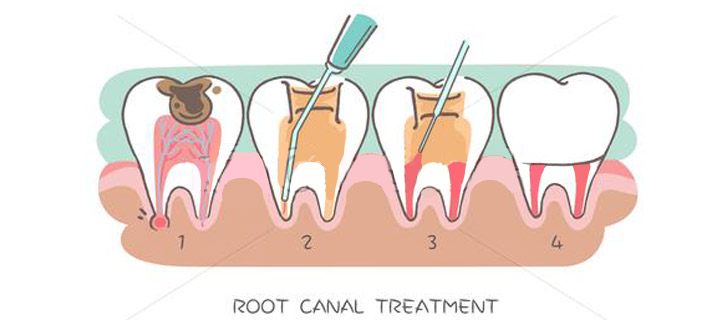
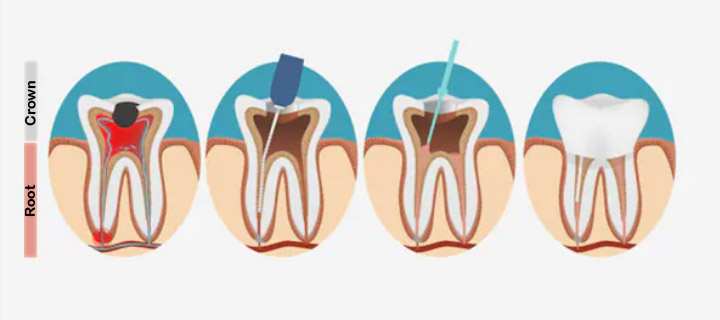
A root canal treatment is designed to save a tooth that has become infected or badly damaged in its inner pulp — the soft tissue containing nerves and blood vessels. Instead of extracting the tooth, the dentist removes the infected pulp, cleans and disinfects the root canals, then fills and seals the space to prevent future infection.

Step-by-Step Process of a Root Canal

  1. Initial Examination and X-rays
    Your dentist will take X-rays to examine the extent of decay or infection and to see the shape of the root canals. This helps plan the treatment accurately.
  2. Local Anesthesia
    To ensure you feel no pain, a local anesthetic is administered to numb the tooth and surrounding gum tissue. In some cases where the tooth is dead, anesthesia may not even be necessary.
  3. Isolation of the Tooth
    A rubber sheet called a dental dam will be placed around your tooth to keep it dry and free from saliva during the procedure. It also prevents any materials from falling into your mouth.
  4. Access Opening
    The dentist will drill a small opening through the crown (top surface) of your tooth to access the infected pulp chamber and root canals.
  5. Removing the Infected Pulp
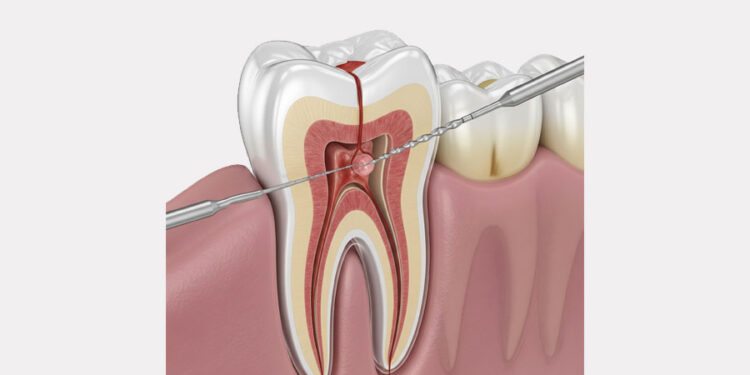
    Using special tiny files, the dentist gently removes the infected or dead pulp tissue, cleaning out the canals thoroughly.
  6. Cleaning and Shaping the Canals
    The canals are cleaned and shaped progressively with smaller files to create a smooth, regular pathway. Disinfecting solutions are used to flush out any remaining bacteria.
  7. Filling the Root Canals
    Once cleaned and dried, the canals are filled with a biocompatible material called gutta-percha, sealing the canals to protect against reinfection.
  8. Temporary Filling and Tooth Restoration
    A temporary filling seals the access hole initially. Later, during a follow-up visit, the temporary filling is removed, and a permanent restoration such as a crown may be placed to strengthen and protect the tooth.

How Long Does It Take?

The treatment usually requires two or more appointments, especially if the infection is severe. Some cases may be completed in a single visit.

What Happens After Treatment?

You might experience some mild tenderness or discomfort for a few days, which can be managed with over-the-counter pain medications. Maintaining good oral hygiene and following your dentist’s advice will help you heal quickly.

Why is Root Canal Treatment Important?

Root canal therapy saves your natural tooth, helping you maintain normal chewing, prevent jawbone deterioration, and preserve your smile.

How To Cure Tooth Decay?

To cure tooth decay, it is important to understand the stages of tooth decay and its causes. According to Dr. Steven Lin, a dentist, the first step to curing tooth decay is understanding how bacteria cause it. The second step is preparation to reverse and cure tooth decay, and the third step is following a protocol to cure tooth decay. The protocol includes eating a nutrient-dense diet, remineralizing teeth with specific supplements, and providing proper oral hygiene to promote a healthy oral microbiome.

It is important to note that the treatment for tooth decay depends on the stage it’s in. Some examples of potential treatments include fluoride treatments, fillings, and root canals. Fluoride treatments may be liquid, gel, foam, or varnish that’s brushed onto your teeth or placed in a small tray that fits over your teeth. Fillings, also called restorations, are the main treatment option when decay has progressed beyond the earliest stage.

In addition to professional treatments, there are steps that you can take to prevent tooth decay, including brushing twice a day with fluoride toothpaste, flossing at least twice a day, limiting sugary and starchy foods, and avoiding snacking or drinking between meals. Drinking fluorinated water and using a fluoride mouth rinse can also help prevent tooth decay.

It is important to note that home remedies, such as oil pulling, licorice lollipops, and chewing gum, have not been proven to cure existing cavities, and may not be effective in preventing tooth decay.

RCT / Endodontics

Endodontics

General dentists are great for those times when you need to have your teeth cleaned or a cavity filled. In some cases though, you’re better off consulting a specialist. Orthodontists, for example, specialize in straightening and aligning the teeth, periodontists focus on the gums and bone, and endodontists focus on endodontics, or issues concerning the roots of the teeth. While general dentists can perform the procedures and treatments offered by specialists, dental specialists have received additional years of training and have decided to focus their practice on treating specific dental conditions.

Here’s a crash course on endodontists and when you may have to visit this specialist.

Understanding Endodontics

As the American Dental Association points out, the term “endodontics” derives from the Greek words “endo,” which means “inside,” and “odont,” which means tooth. So the job of an endodontist is to treat the inside of the teeth.

Often, the goal in endodontics is to save the tooth. Instead of simply pulling a diseased or damaged tooth, an endodontist clears the infection and decay to protect the interior of the tooth from further damage. Root canals are the treatment endodontists are most well-known for performing on a patient’s tooth.

During a root canal, the endodontist performs local anesthesia on the gum tissue around the tooth and then removes the infected tissue and pulp from inside the tooth. He or she then deep cleans the chamber that held the pulp and the roots, removing any lingering bacteria. Once all traces of infection are gone and the interior of the tooth is fully dry, the endodontist fills the chamber and roots with a special material called gutta-percha. Depending on how the exterior of the tooth looks, the endodontist will work with the dentist who will finish the treatment by placing a crown or other type of dental restoration on the tooth to protect it.

An endodontist can also perform surgery to correct a tooth that didn’t fully heal after a root canal or can perform an apicoectomy, a surgery that removes the tip of a tooth’s roots. Although the work endodontists do is often associated with infection and severe decay, they can also work to save teeth that have been damaged by injury.

When Should You See an Endodontist?

If you have pain in a tooth or teeth or a history of injury to the teeth that can affect the roots and pulp, your general dentist is likely to refer you to an endodontist. Why see an endodontist when a general dentist is usually capable of and allowed to perform root canals and other treatments?

For one thing, endodontists have more training in root canals than general dentists. They not only have an extra two years of education beyond dental school, as the American Association of Endodontists (AAE) points out, they are also better trained in and experienced with using advanced technology to improve your comfort during the treatment and to improve the results of the treatment. The average endodontist performs about 25 root canals each week, while a general dentist usually performs two per week.

It’s very likely that your general dentist will advise you to see an endodontist if he or she thinks you need to be seen by this dental specialist for further evaluation. As the AAE notes, about half of all general dentists refer patients in need of a root canal to an endodontist. You can also choose to schedule an appointment with an endodontic specialist if you have pain in your teeth, notice that a tooth is cracked or if a tooth has been knocked out or shifted out of position.

Your general dentist can help keep your teeth and gums clean and healthy and can be a great resource when you have problems with your teeth. You also have the power to keep your teeth healthy at home with a great oral hygiene routine, which may include brushing with a toothpaste like Colgate TotalSF Advanced Deep Clean, which helps prevent plaque, gingivities, tartar build-up and cavities. But if you need a specific treatment, such as a root canal, you’re usually better off calling in the help of a specialist.

Attributes of an Endodontist

Having advanced training in this specialty involves at least two extra years of study and clinical hours beyond the conventional four years of dental school. After completion, this specialist is uniquely qualified to best treat an infected tooth and alleviate pain. A practicing endodontist will, on average, do 25 or more root canals or other procedures related to a tooth infection per week. This schedule makes them efficient and flexible since they do not perform other routine dental procedures. Additionally, most will see patients on the same or next day, and many have Saturday and evening hours.

This expert care is why you may be referred to an endodontist. They regularly attend continuing education classes and seminars to stay abreast of the latest technology for diagnosis and treatment. This includes the use of microscopes, lasers, ultrasonic instruments and imaging tools that are digital, 3D and fiber optic. Using these advanced technologies helps ensure that the tooth or teeth can be saved and function successfully in the future.

Endodontic Treatments and Procedures

The most common referral to an endodontist is for a root canal: a procedure that cleans the infected pulp area, relieving pain and saving the tooth. Most infections in the pulp of the tooth are caused by advanced decay or a deep cavity that was prepped and treated in proximity to the pulp. Endodontics also involves re-treatment of a root canal that didn’t clear up the initial infection, or a surgical procedure at the tip of the root. Traumatic injury to teeth can also cause tooth pulp to become necrotic and require a root canal to retain the tooth or teeth.

Endodontists are great at saving teeth, however occasionally a tooth or teeth may have complications beyond their abilities. The good news is that these specialists possess the skills and advanced diagnostic tools to determine the best treatment for you. This could mean a referral for an extraction and tooth replacement to restore your smile, but only after all treatment options are explored. Doing everything to save your tooth is an endodontist’s first priority because the general belief is your natural tooth is best! Keep your mouth healthy by practicing optimal home care, like brushing and flossing and regular dental visits. However, even with proper oral hygiene, problems and infections can still occur. During treatment, brushing with a toothpaste for sensitivity can be helpful. Relieving your pain and maintaining your smile is your dentist’s first priority, and he or she will not hesitate to refer you to the champion of tooth saving: the endodontist!

Root Canal Treatment

If your dentist prescribes a root canal, then you’re probably wondering what a root canal is — or if you do know, maybe you’re nervous about the procedure. No need to worry, though, because root canals are a safe and common procedure performed millions of times every year. According to the American Association of Endodontics , root canals are as routine as getting a filling, relatively painless, and extremely effective as treatment for a damaged or infected tooth. So what exactly is a root canal?

A root canal is a procedure, typically performed by an endodontist , to repair a damaged or infected tooth while still preserving the remaining healthy parts of the tooth. To perform the procedure, the damaged or infected tooth is left in place within the gum line while an endodontist thoroughly cleans the canal surrounding the tooth’s roots.

Why You May Need a Root Canal

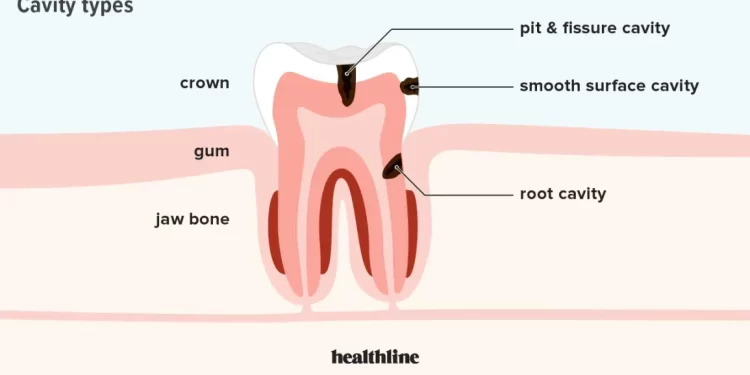
You may need a root canal if you have a damaged or infected tooth that affects the dental pulp of the tooth. Dental pulp is the soft core at the center of a tooth that extends from the crown of the tooth (the visible top part) down to the tip of the roots deep within the gumline and extending to the jawbone. This dental pulp contains nerves, blood vessels and connective tissue, so when a tooth becomes damaged (by cracking or by cavity), bacteria can enter and damage the tooth’s health.

If this bacteria or decaying material is left untreated within the tooth, you run the risk of getting an infection or having a tooth abscess manifest. These symptoms can lead to pulp death, bone loss and a full loss of the tooth itself. Other symptoms that may indicate a need for a root canal are swelling around the face and neck, holes in the tooth (which cause toothaches, tooth pain and temperature sensitivity) or even gum swelling.

Getting Started on Root Canal Treatment

A dentist or endodontist (“endo” being the Greek word for “inside” and “odont” meaning “tooth”) typically performs root canals. Once they take dental X-rays to assess the damage to the tooth, they will administer a local anesthetic to the affected area to help suppress any feeling. To keep the tooth clean and dry during the procedure, dental specialists use a small, rubberlike sheet called a dental dam in the mouth.

During the procedure, your dentist or endodontist will remove decay from the outer areas and then make an opening through the crown of the tooth. This is done so that the dentist or endodontist can access the dental pulp inside. Once the hole is made, the infected or diseased pulp is removed from the tooth.

Clearing the Root Canal of Infection

Once the dental professional removes the diseased or infected pulp, they flush and clean the pulp chamber and root canals. If necessary, they may reshape or enlarge the root canals to allow for better access for the filling process that comes later.

After a thorough cleaning, your dentist or endodontist may apply medication to the pulp chamber or the root canal to help clear any lingering infection they may have missed. If the original infection has spread to other areas of the mouth, you may get a prescription for antibiotics or have another procedure scheduled, depending on your dentist’s recommendation.

If your root canal procedure requires more than one visit, your dental provider may give you a temporary filling for the crown on top of the affected tooth. This temporary crown helps protect the tooth from food debris and saliva while you wait for your next procedure. While this crown remains in place, avoid biting or chewing with it until the full tooth has been both treated and restored to your dentist’s satisfaction.

Filling the Root Canals

Once the tooth has been properly cleaned and treated, it’s time to refill the tooth to restore its structural integrity. It’s possible that more anesthesia might not be needed for this part of the process. If you had a temporary crown and filling placed on the tooth, your dentist or endodontist will remove and replace with a compound of rubber and sealer paste that will fill the remaining area inside the tooth. Once the dental pulp area is refilled with this paste, they will add an adhesive filling to the root canals to make sure they’re protected from saliva or food debris.

Final Stage of Root Canal

By now, your dentist or endodontist has drilled into your tooth, hollowed it out, thoroughly cleaned it, and then refilled it with sealant and adhesive paste. Now the dentist must restore the tooth’s strength to protect it from future damage and allow it to be used normally again.

This starts by placing a crown on top. Crowns are made of several different kinds of material, most notably gold or porcelain fused to metal, but they can also be made of porcelain alone and can be tinted or colored to match the exact color of your other teeth so they don’t stand out.

Your dentist or endodontist may also recommend inserting a metal post into the tooth for added structural integrity before the crown is applied.

After Your Root Canal

Your tooth, and the surrounding area, may be a little sensitive for a few days after the procedure. This is completely normal, and over-the-counter pain medications can help alleviate any lingering pain or pressure you may experience. If the pain continues for longer than a day or two, you should contact your dentist or endodontist immediately for further recommendations.

Otherwise, your restored tooth and crown should be both functional and aesthetically pleasing. Practicing good and constant oral hygiene will ensure that your restored tooth will continue to work well for a lifetime.

Ask your dentist or endodontist if you may need a root canal in the near future or if there’s anything you can do to help prevent it.