
When it comes to replacing missing teeth, dental implants and dentures are two of the most common solutions. Each option has its own set of advantages and disadvantages depending on your oral health, lifestyle, and budget. Understanding these factors can help you make the best decision for your smile.
What Are Dental Implants?
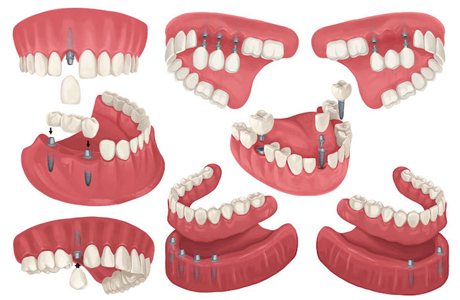
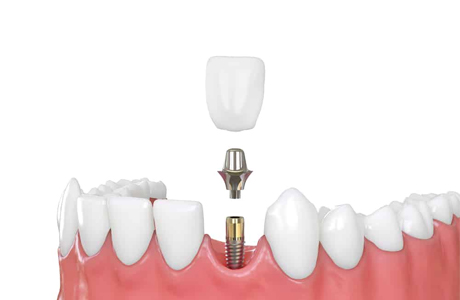
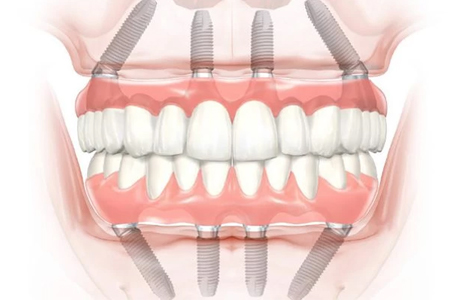
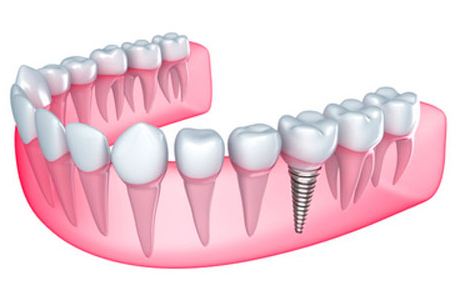
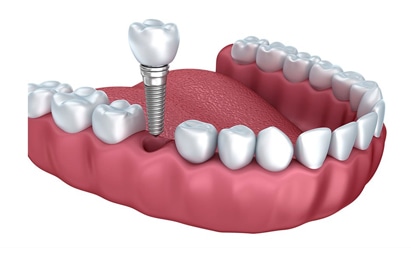
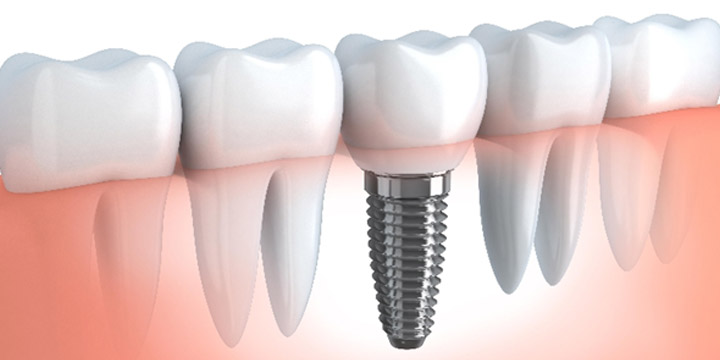
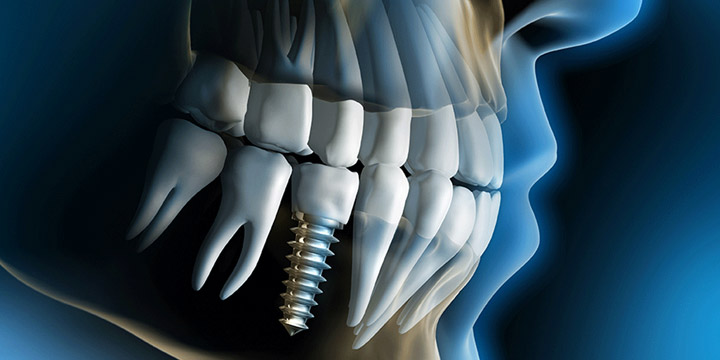
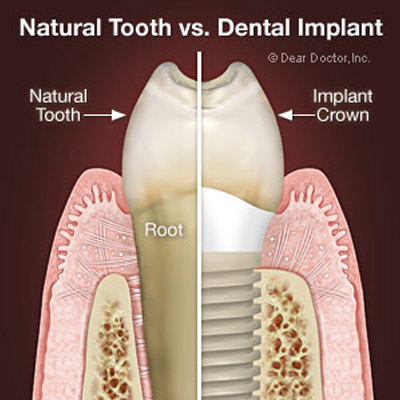
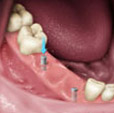
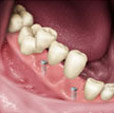
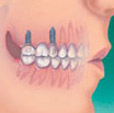
Dental implants are titanium posts surgically inserted into the jawbone to serve as artificial roots for replacement teeth. A crown is then attached to the implant post, offering a permanent and natural-looking solution that functions like real teeth.
What Are Dentures?
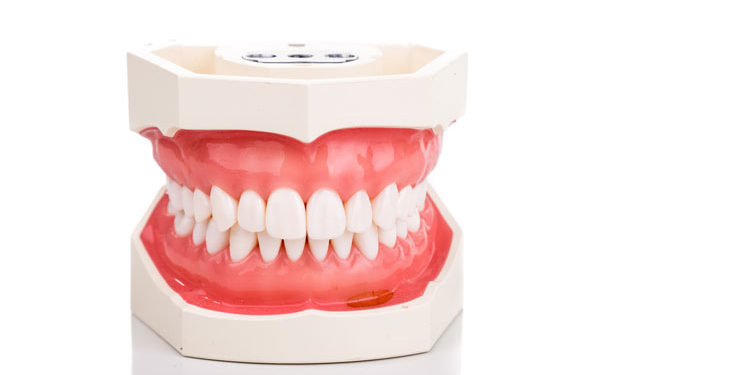
Dentures are removable prosthetic teeth, either full or partial, that rest on the gums. They can replace an entire row of teeth or just a few missing ones. Dentures are generally more affordable and less invasive but require different maintenance.
Pros of Dental Implants
- Durability and Longevity: Implants can last 15-25 years or even a lifetime with proper care, making them a long-term solution.
- Natural Look and Feel: Because implants fuse with the jawbone, they look, feel, and function like natural teeth.
- Bone Preservation: Implants stimulate the jawbone and prevent bone loss, maintaining your facial structure.
- Comfort and Stability: Implants are fixed, so they do not slip or move when eating or speaking.
- Low Maintenance: Caring for implants is like caring for natural teeth—regular brushing, flossing, and dental visits.
Cons of Dental Implants
- Higher Initial Cost: They tend to be more expensive upfront compared to dentures.
- Surgical Procedure: The process requires surgery and sufficient bone density for implant placement.
- Healing Time: The full process can take several months for the implant to integrate with the bone.
Pros of Dentures
- Cost-Effective: Dentures are generally more affordable initially.
- Non-Invasive: Fitting dentures does not require surgery, which is ideal for patients unable to undergo surgical procedures.
- Customizable: Dentures can be made to fit even when there is significant bone loss.
- Quick Solution: Dentures can be fabricated and fitted in a shorter time.
Cons of Dentures
- Less Stability: Dentures can slip or move, which may cause discomfort or difficulties in speaking and eating.
- Bone Loss: Dentures do not prevent jawbone deterioration, which may change the shape of your face over time.
- Maintenance: Dentures require daily cleaning and must be removed at night. They may also require adhesives.
- Replacement and Adjustment: Dentures typically need replacement or refitting every 5-10 years as the bone changes.
Summary Comparison
| Feature | Dental Implants | Dentures |
|---|---|---|
| Durability | Long-lasting (15+ years or lifetime) | Needs replacement every 5-10 years |
| Stability | Fixed, very stable | Can slip or move |
| Appearance | Natural look and feel | Natural-looking but may be less durable fit |
| Bone Health | Prevents bone loss | Does not prevent bone loss |
| Cost | Higher initial cost but potentially more cost-effective long-term | Lower initial cost but ongoing maintenance costs |
| Maintenance | Similar to natural teeth | Requires daily cleaning and adhesives |
| Procedure | Surgical, longer healing time | Non-surgical, quicker fitting |
Conclusion
Dental implants offer a more permanent, comfortable, and natural-feeling solution for tooth replacement, with benefits like bone preservation and low maintenance. However, they come with a higher upfront cost and require surgery.
Dentures provide a less expensive and non-invasive option, suitable for those who may not qualify for implants due to bone loss or health concerns. They require more upkeep and periodic replacement.
Consulting with your dentist can help you evaluate your oral health, lifestyle, and budget to decide which option best suits your needs.